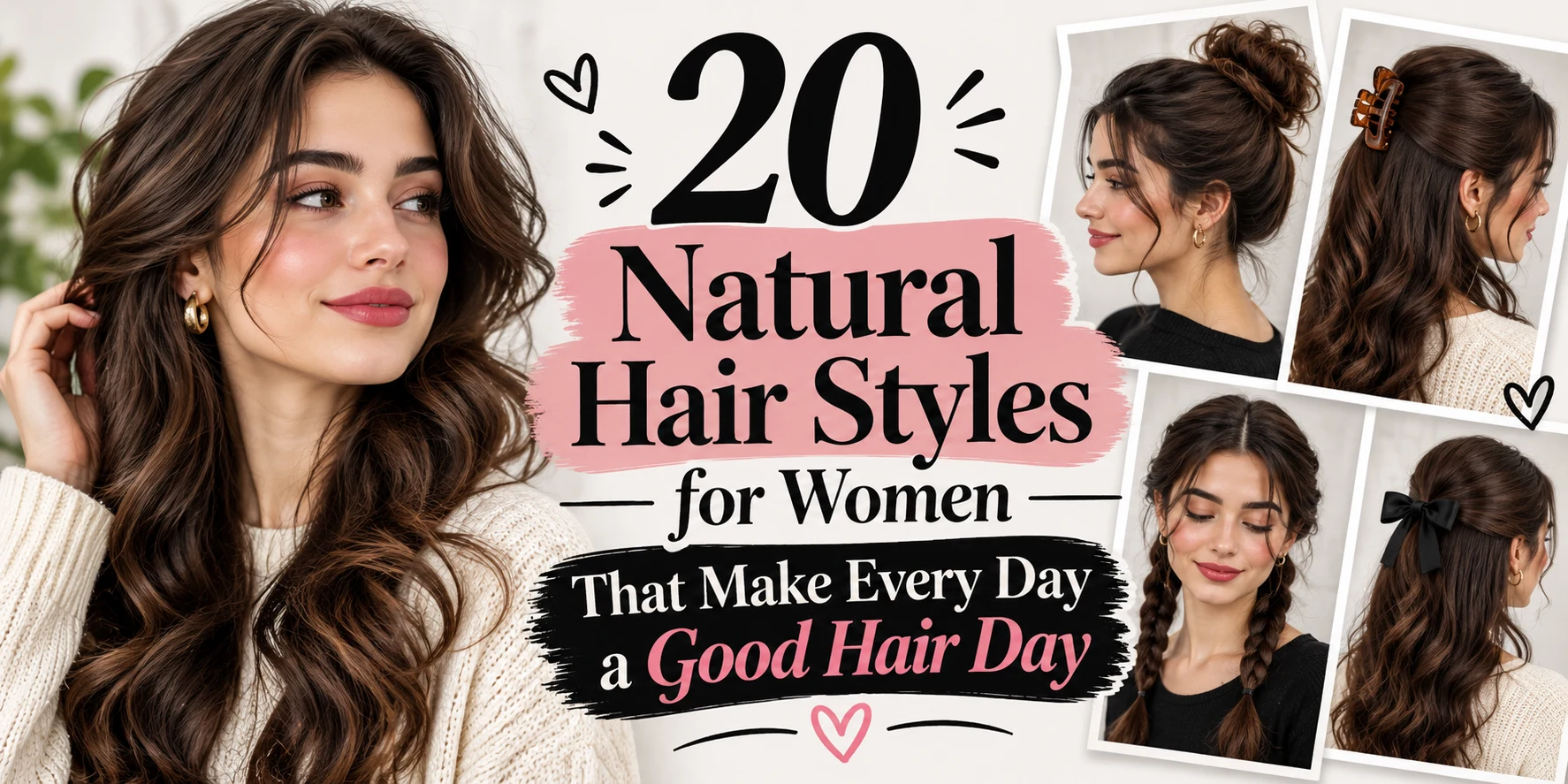
20 Natural Hair Styles for Women That Make Every Day a Good Hair Day
Natural hair is not one look — it is a whole wardrobe. The same head of curls can be worn loose and defined on Monday, twisted up for the weekend, and smoothed into a bun when the week gets busy. The secret is not more products; it is knowing which handful of styles your hair does happily, and rotating them so no single style ever gets boring or tired.
These 20 natural hair styles cover the full rotation: definition styles like wash-and-go curls, twist outs and rod sets; protective styles like two-strand twists, bantu knots and box braids; and quick updos like the high puff, pineapple and halo braid for days when you need your hair up and out of the way. Every one of them works with your own texture and color — nothing here needs dye, heat, or a salon appointment to look finished.
Wash-and-Go Curls
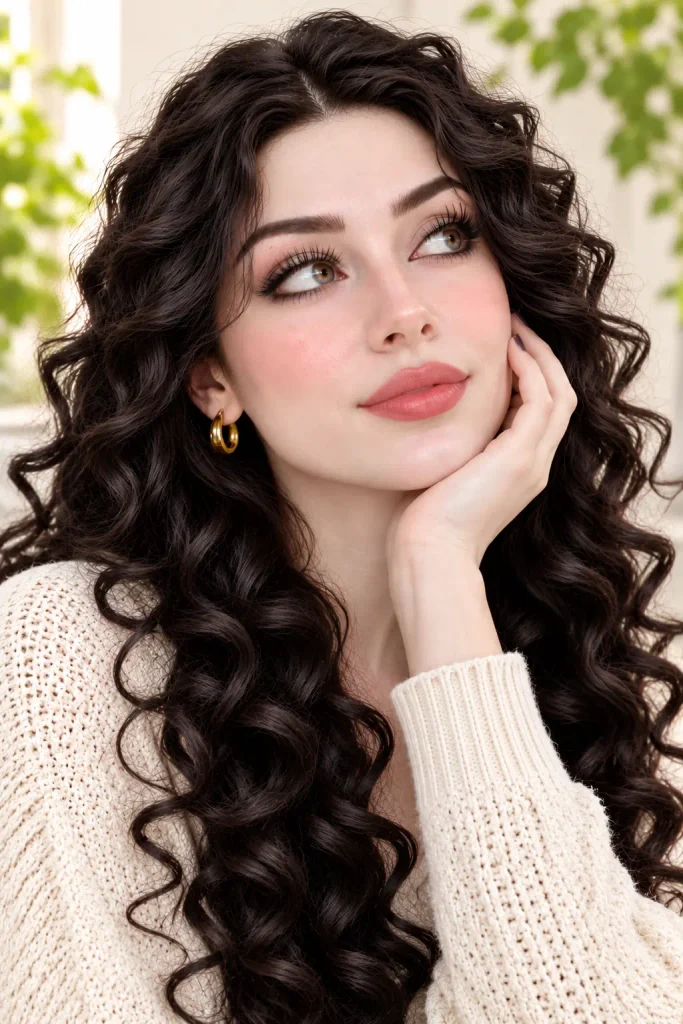
The wash-and-go is the foundation style of natural hair: cleanse, condition, apply a leave-in and a gel or mousse to soaking-wet hair, then let your own curl pattern set exactly as it grows. Done well, it shows the truest version of your texture — defined, shiny and full of movement — with no manipulation at all.
The technique matters more than the products. Work in sections, smooth the styler from root to tip, and then hands off while it dries: touching wet curls is how frizz is born. Once fully dry, gently scrunch out the gel cast for soft, touchable definition that can last most of the week with a pineapple at night.
Quick Tip: Apply products to dripping-wet hair over the sink or in the shower — definition formed on damp (not wet) hair never lasts as long.
Twist Out
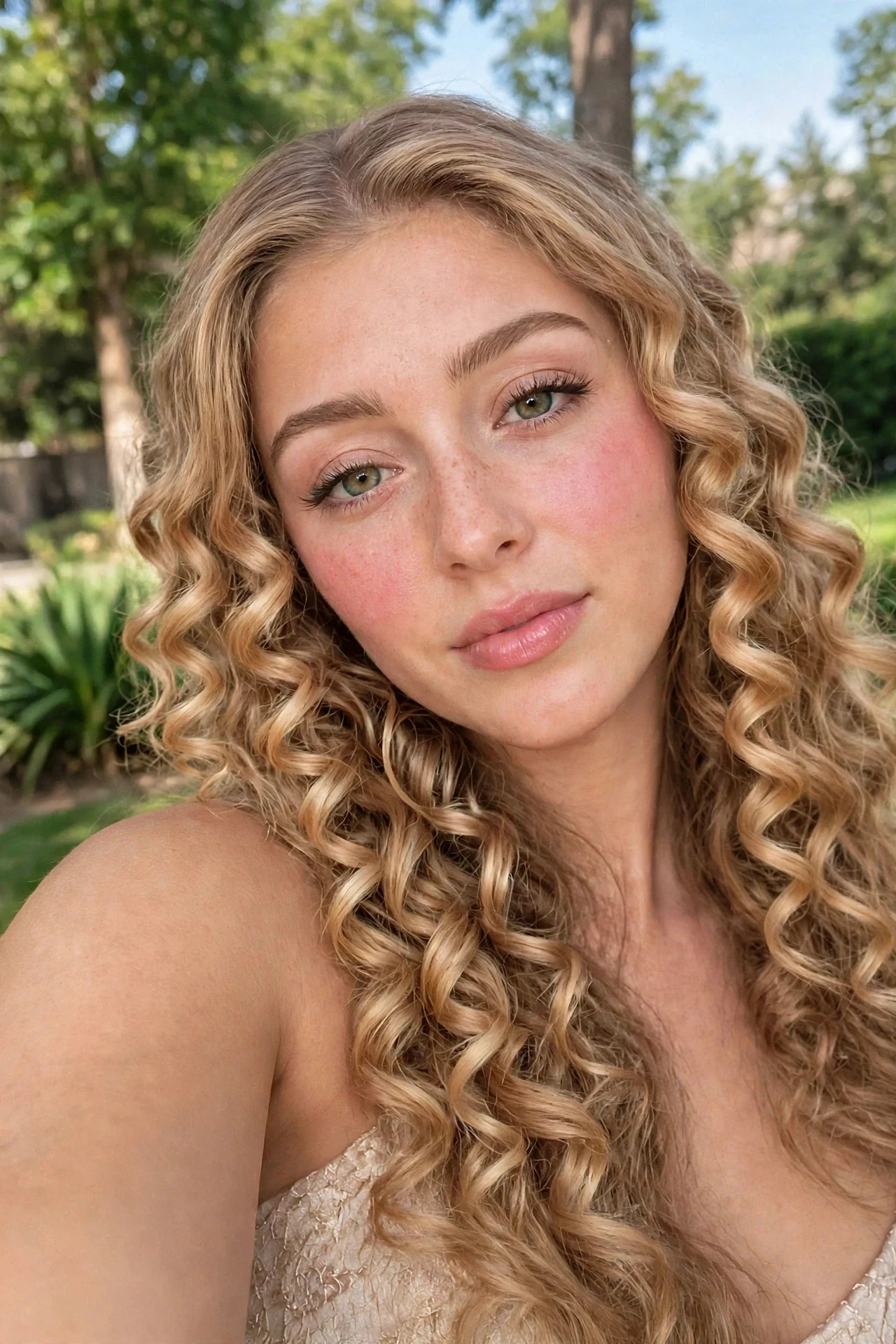
The twist out is the most reliable definition style there is: twist damp, moisturized hair into two-strand twists, let it dry completely, then unravel carefully for uniform, elongated curls with a soft sheen. It stretches the hair slightly, so it shows more length than a wash-and-go and behaves on humid days.
Size controls the result — chunky twists give loose, wavy volume; smaller twists give tight, springy definition. Untwist with oiled fingertips, separate gently, and fluff only at the roots with a pick. Rushing the drying step is the one real mistake: a twist out unraveled damp collapses into frizz within the hour.
Quick Tip: Twist on hair that is damp, not wet, and let it dry overnight — fully dry twists are the difference between definition and frizz.
Braid Out Waves
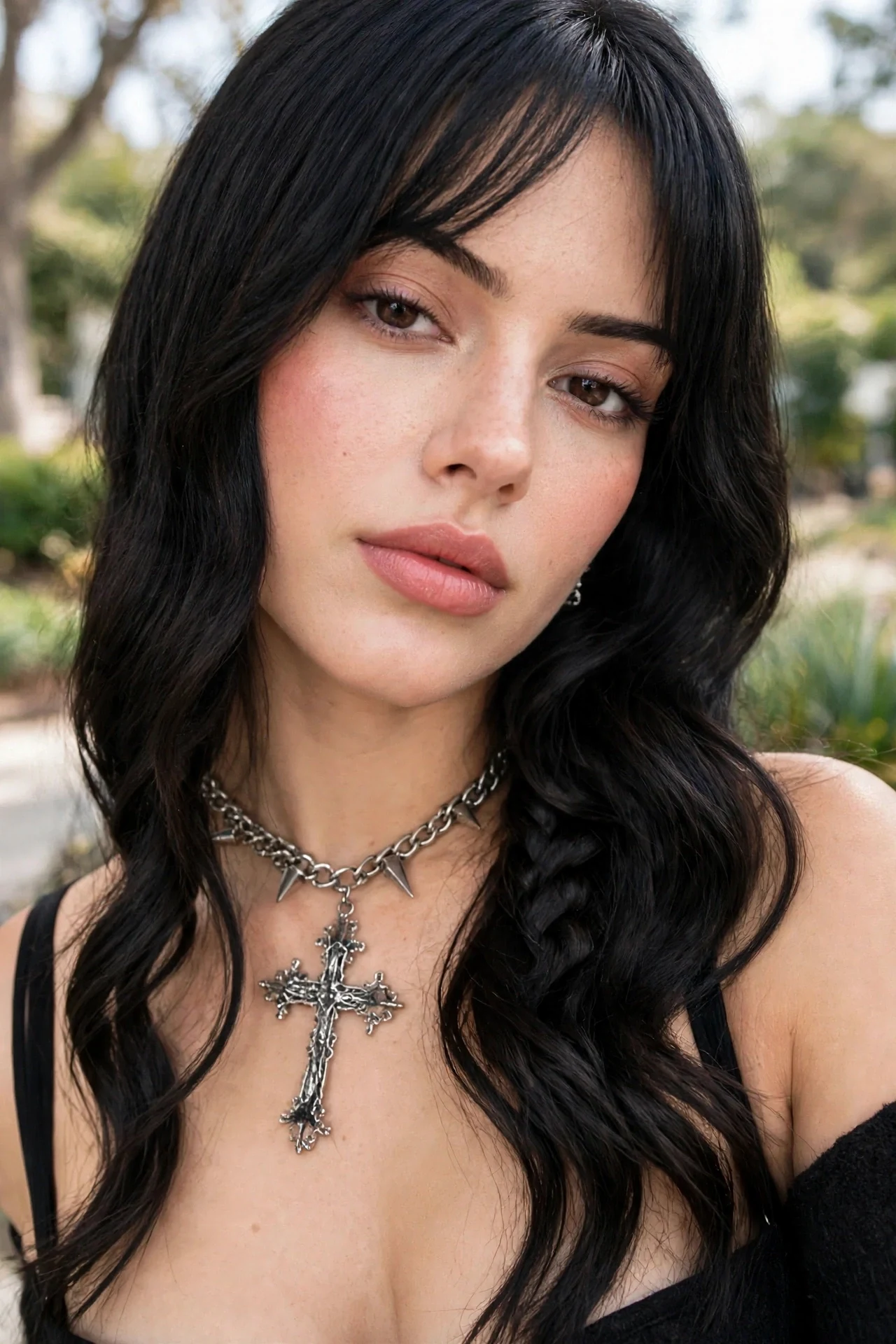
Where the twist out gives curls, the braid out gives waves — deep, flowing, almost vintage waves with more stretch and length. Braid moisturized hair into plaits (six to ten is the usual range), dry fully, unbraid with oiled fingers, and the result is a softer, more glamorous silhouette than most natural styles.
It is a smart choice for hair that tangles in twist outs or for anyone who wants a blown-out look without heat. Because braids stretch more, braid outs also show length beautifully for special occasions, and they refresh well: re-braid loosely at night and the waves return in the morning.
Quick Tip: Braid the front sections slightly smaller than the back — finer plaits at the hairline frame the face with prettier, tighter waves.
High Puff
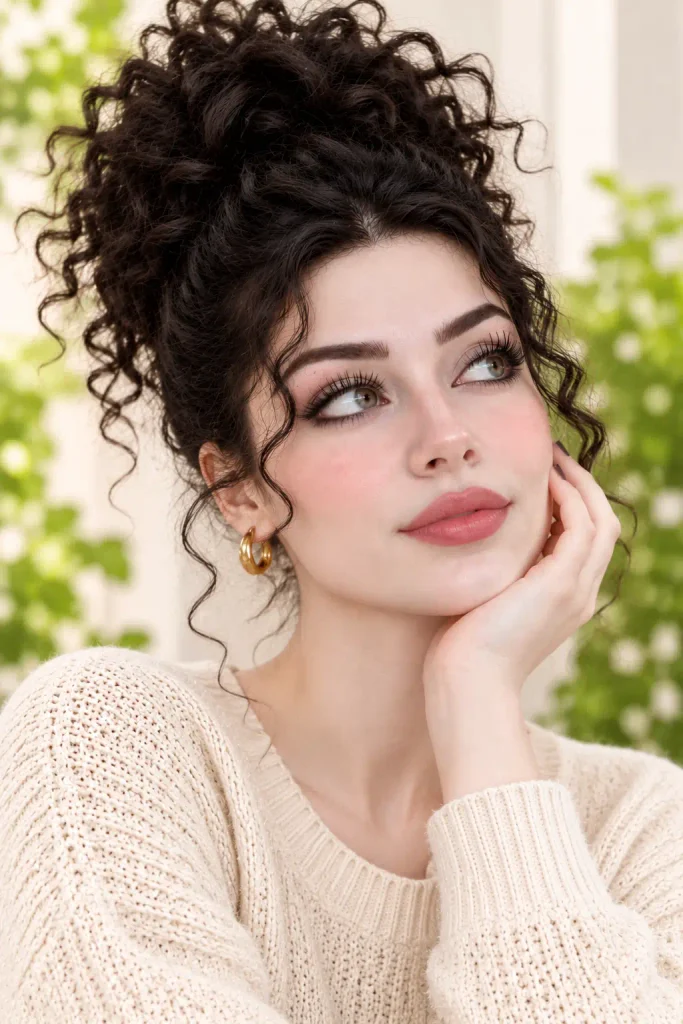
The high puff is the five-minute hero of natural hair: gather everything to the crown, secure with a band or scarf, and let the curls bloom on top like a halo. It works on a fresh twist out, a three-day-old wash-and-go, and every state in between — which is why it is the most-worn style on this entire list.
The finish is in the edges and the shape. Smooth the sides with a brush and a little gel, lay the edges softly (baby hairs optional), and shape the puff with your hands into a round silhouette. Keep the band loose enough to slide a finger under — a puff should look dramatic, not feel like a headache by noon.
Quick Tip: Use a long shoelace-style band or a strip of stocking instead of a tight elastic — it adjusts puff height without snapping edges.
Sleek Low Bun
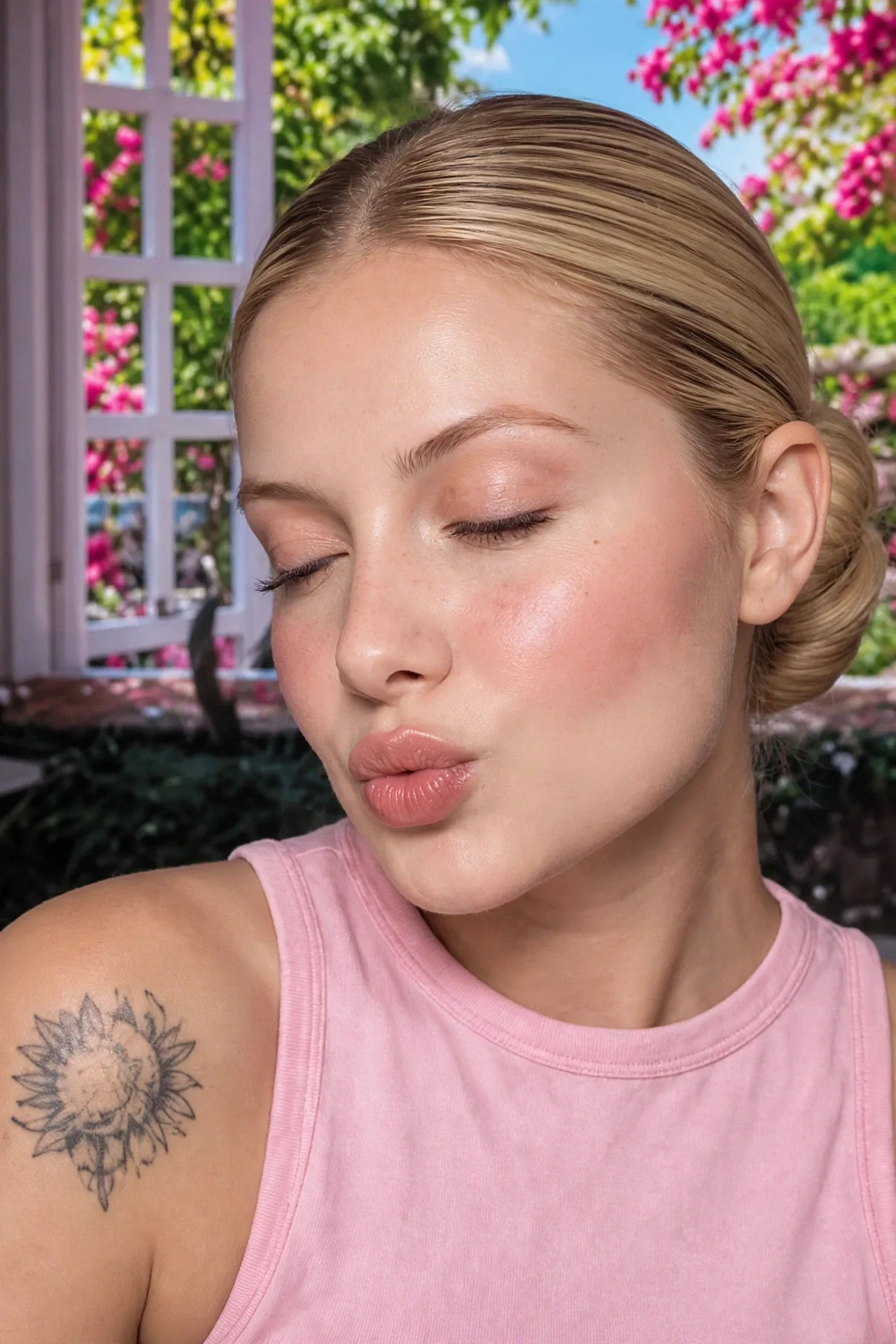
Every natural hair wardrobe needs one polished option, and the sleek low bun is it: hair brushed smooth with water, leave-in and gel, parted where you like, and coiled into a neat bun at the nape. It is boardroom-appropriate, wedding-appropriate, and takes under fifteen minutes once you know your gel.
Work on stretched or old styled hair for the smoothest result, brush in the direction of the bun, and use a scarf tied down for ten minutes to set the sleekness. The bun itself can be a simple coil or a small donut for extra fullness on finer hair — either way, the look is clean, elegant and protective.
Quick Tip: Set the style with a silk scarf for 10 minutes after brushing — the pressure does what extra gel cannot, without the crunch.
Two-Strand Twists
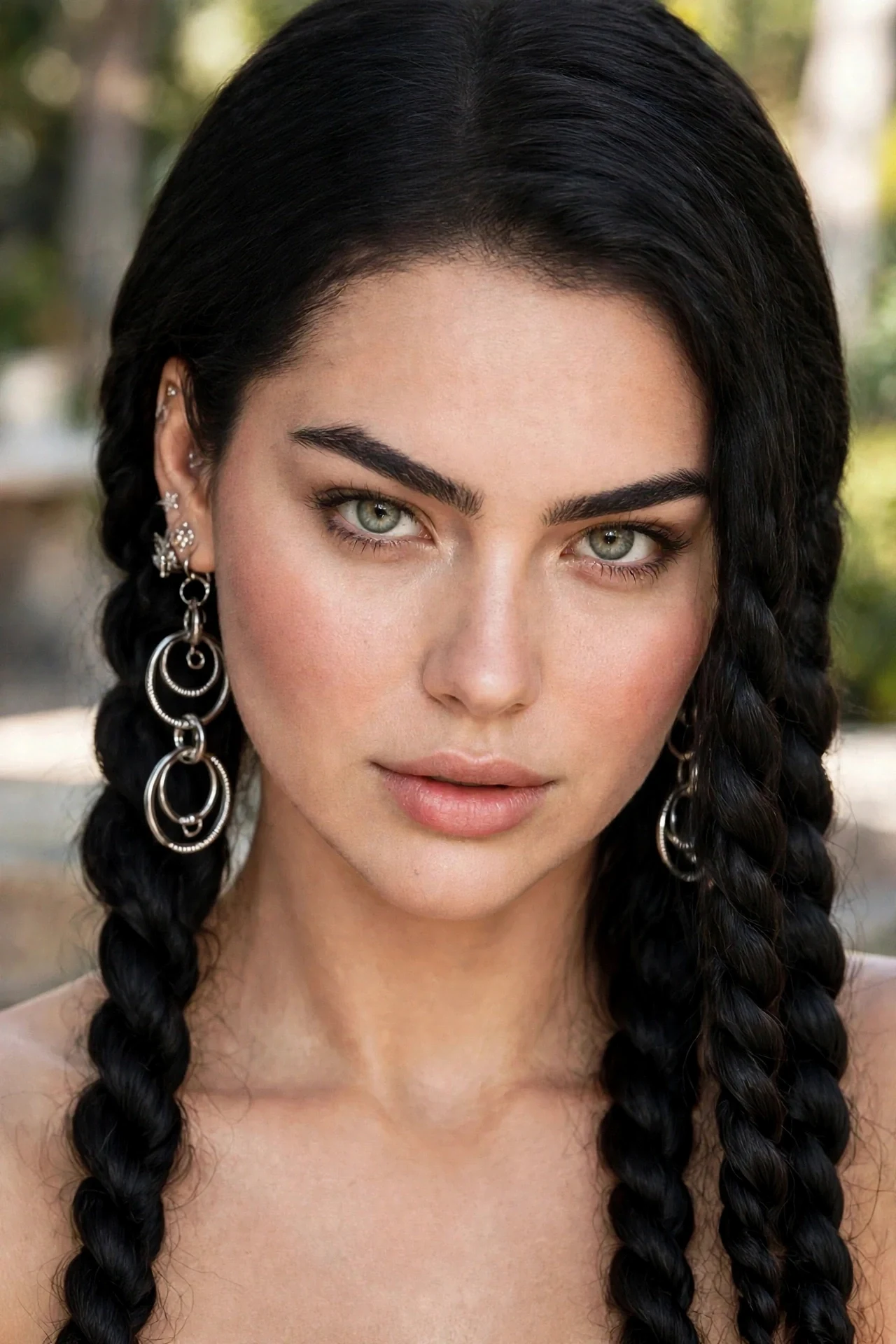
Two-strand twists are the workhorse protective style: part the hair, twist two strands around each other from root to tip, repeat. Worn loose, they swing like soft ropes, protect the ends completely, and can stay in for two to three weeks — then unravel into a twist out, giving you two styles for one effort.
Moisture before twisting is everything, because whatever you seal in is what your hair lives on for the next fortnight. Twist medium sections for the most versatile look: small enough to style up or down, large enough to install in an evening. A light oil on the fingertips while twisting keeps them glossy and neat.
Quick Tip: Twirl each strand slightly before wrapping the two together — the twists hold longer and unravel into a much better twist out.
Flat Twist Updo
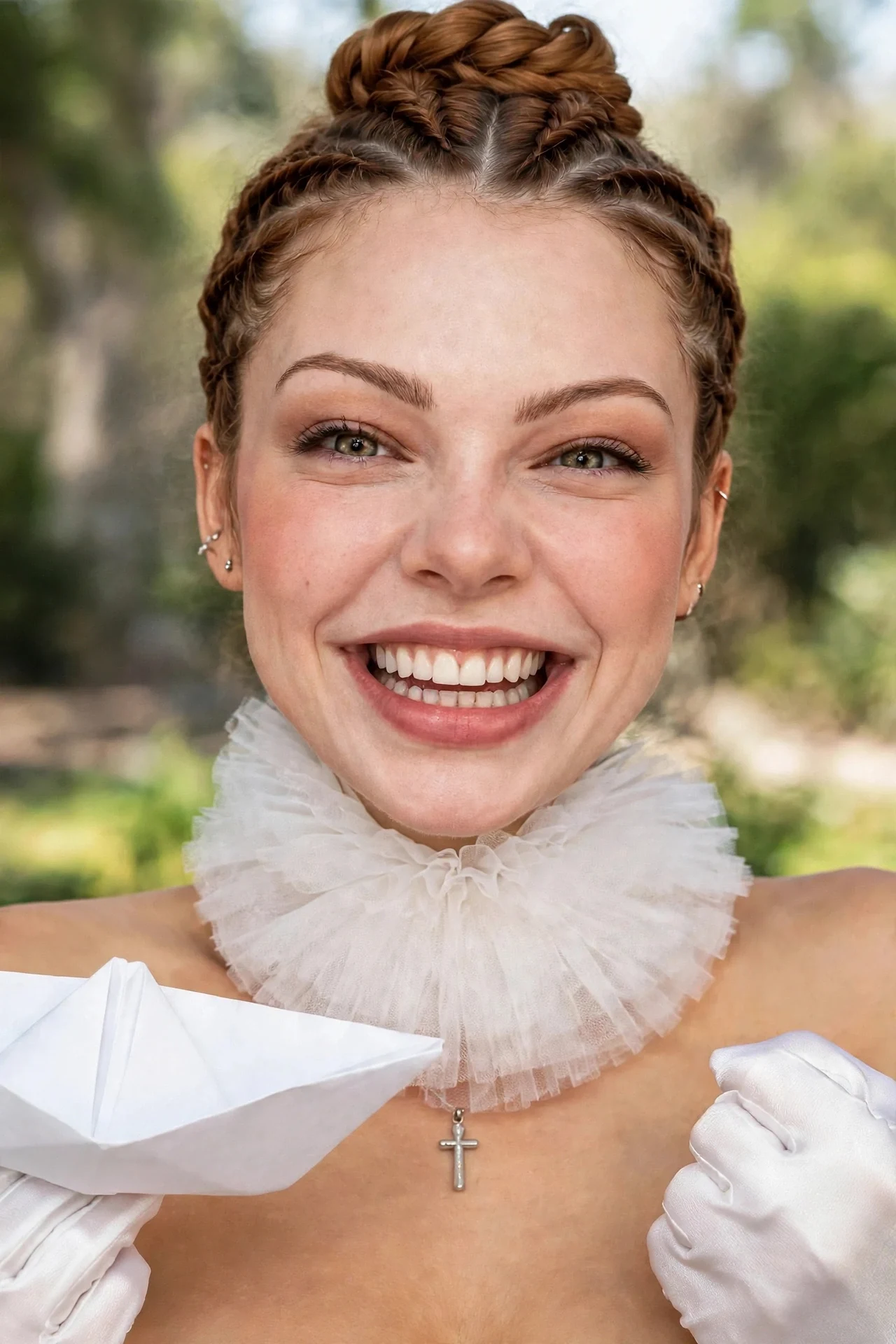
The flat twist updo takes the protective logic of twists and makes it formal: hair is flat-twisted against the scalp in rows or a swirling pattern, and the ends are pinned into a bun, roll or crown on top. It is elegant enough for weddings, tidy enough for work, and it keeps every end tucked away.
Plan the pattern before you start — a photo of your intended design helps enormously the first time. Twist on stretched, well-moisturized hair for the cleanest lines, keep tension firm but never tight at the hairline, and cross-pin the ends so the updo sleeps well and lasts the week.
Quick Tip: Mist each section lightly with water before twisting — flat twists grip and lie flatter on slightly damp hair than on dry hair.
Bantu Knots
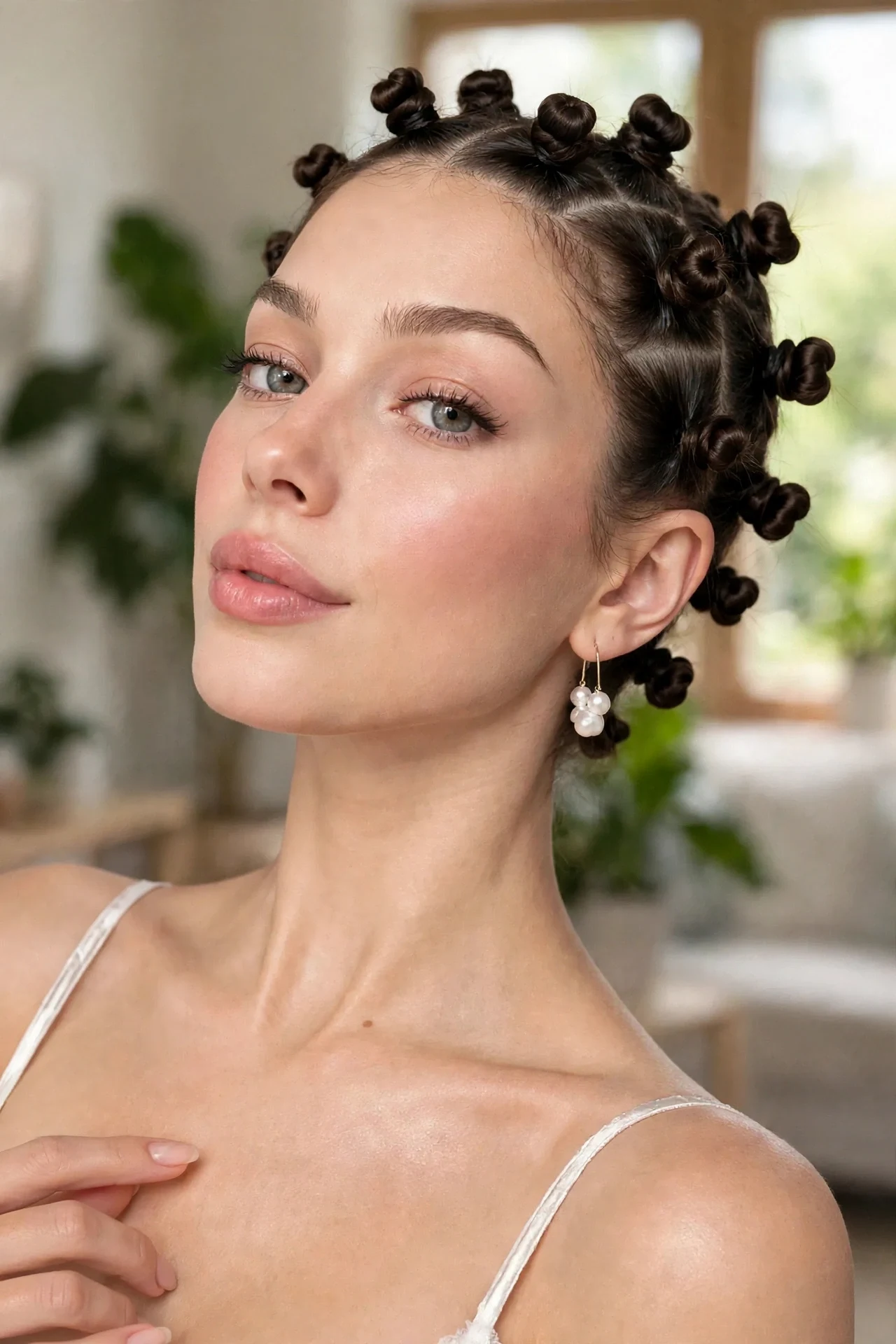
Bantu knots are small coiled buns sectioned across the whole head — striking as a style in themselves and secretly a styling tool, because unraveled they leave deep, bouncy curls. As a worn style they are playful, sculptural and completely protective, with every end tucked into its own knot.
Part cleanly (triangles and diamonds photograph beautifully), twist each section, then wrap it around itself into a knot and tuck or pin the end. Keep the knots small-to-medium for the classic look, moisturize well first, and never knot so tightly that the scalp complains — comfort is what lets you keep them in for days.
Quick Tip: Add a tiny drop of oil to each section before knotting — the knots shine, and the knot-out curls separate without frizz.
Finger Coils
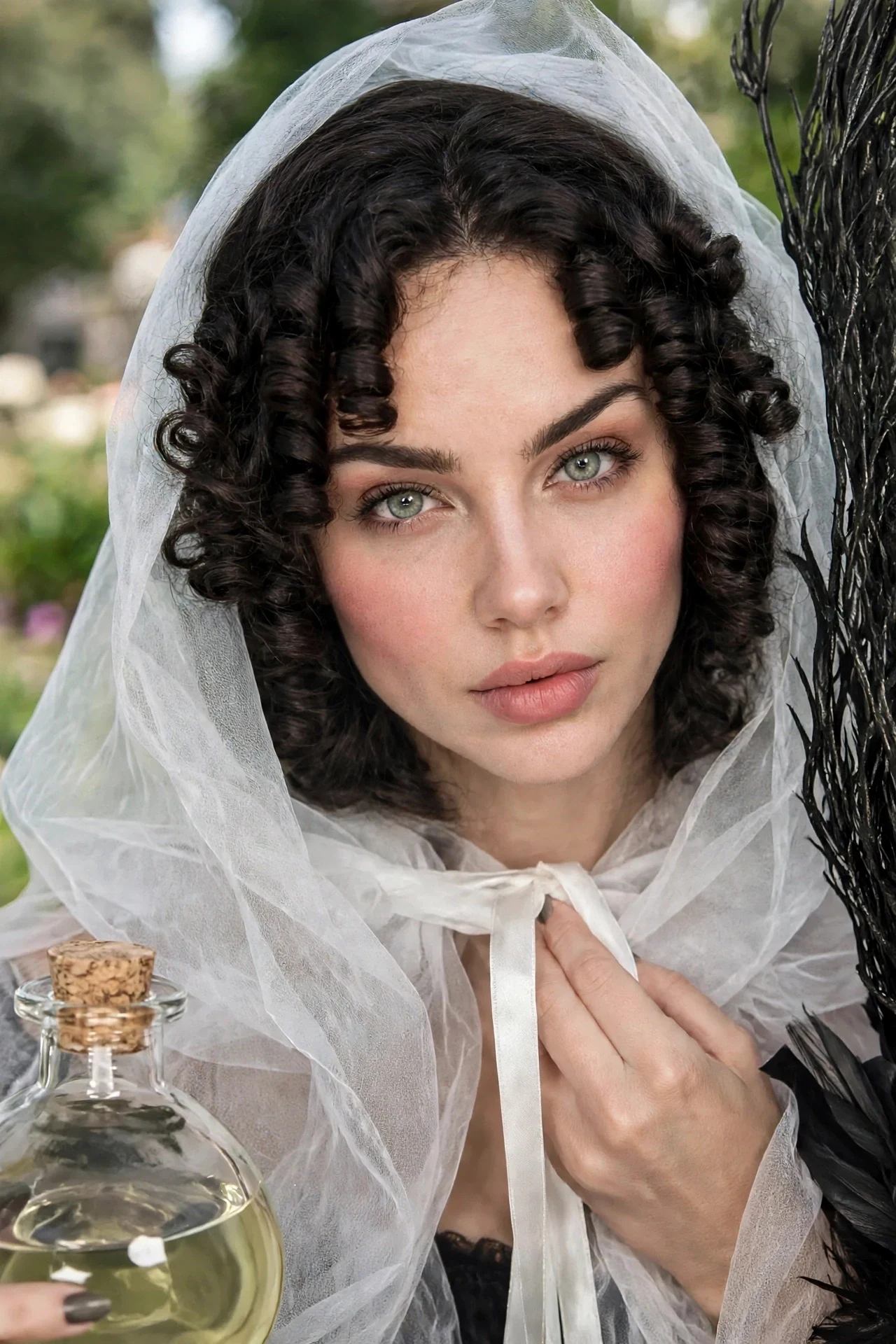
Finger coils are definition at its most precise: small sections of wet, gelled hair twirled around a finger into perfect springy coils, one by one. The result is a head full of uniform ringlets with incredible shine — a style that looks intricate but asks only for patience, not skill.
It suits short to medium hair best and lasts a week or more with careful sleeping. Coil in the direction your hair naturally curls, keep sections evenly sized, and separate the coils gently on day two or three if you want more volume. It is also the best style on this list for training a new curl pattern after a big chop.
Quick Tip: Twirl each coil in the direction the hair already wants to curl — fighting the natural direction is why coils unravel early.
Pineapple Updo
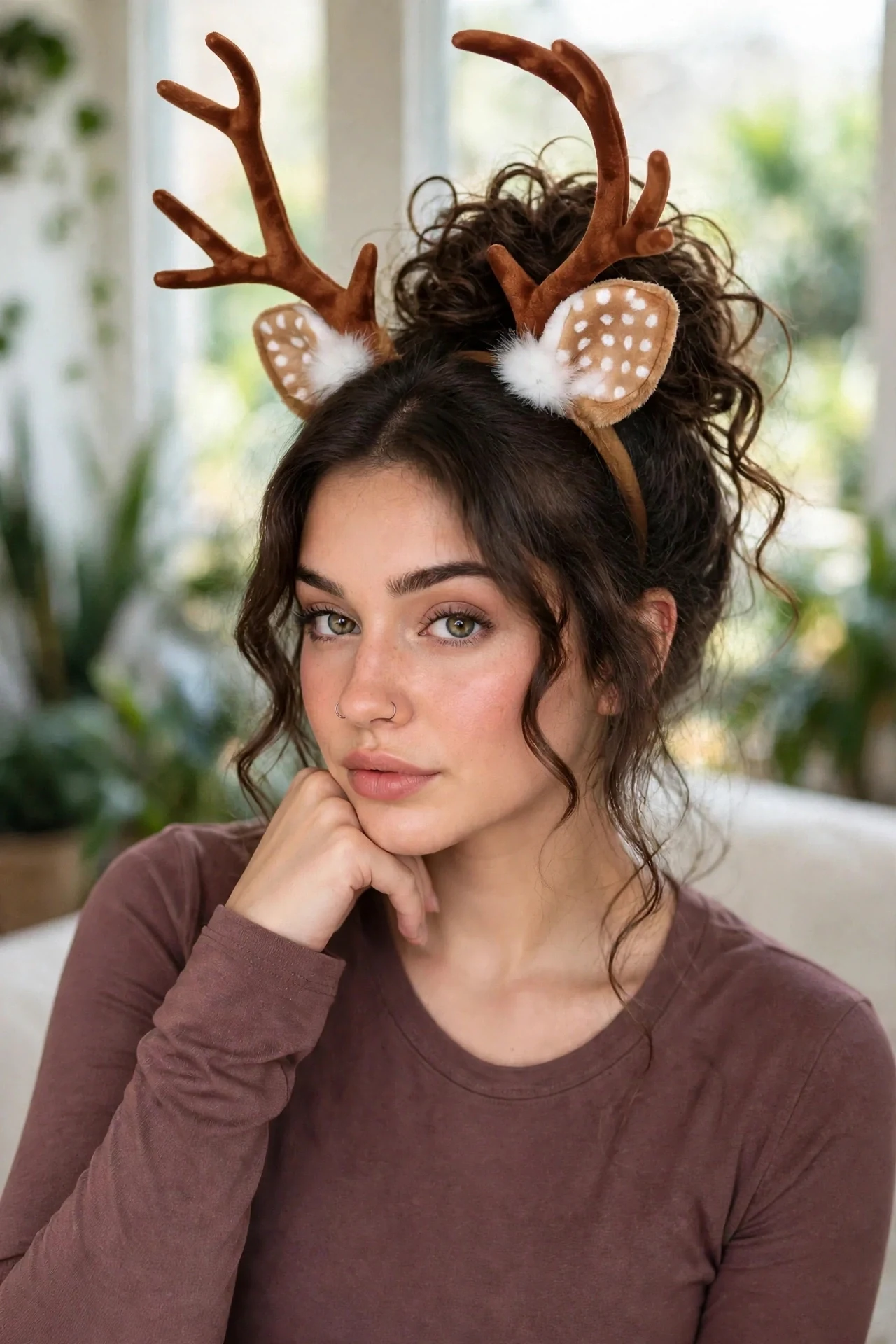
The pineapple gathers all the hair to the very top of the head so the curls spill forward like the crown of the fruit it is named after. Born as a way to sleep without crushing curls, it turned out to be a genuinely pretty daytime updo — height at the crown, curls framing the face, neck completely free.
Use a satin scrunchie or a loose band, bend forward, gather loosely (once around, never tight), and let the ends fall where they like. A few face-framing curls pulled out at the front soften it. It is the fastest style here — thirty seconds — and the kindest to day-three and day-four hair.
Quick Tip: Gather the pineapple while bending forward with your head upside down — gravity does the shaping and the curls land perfectly.
Halo Braid
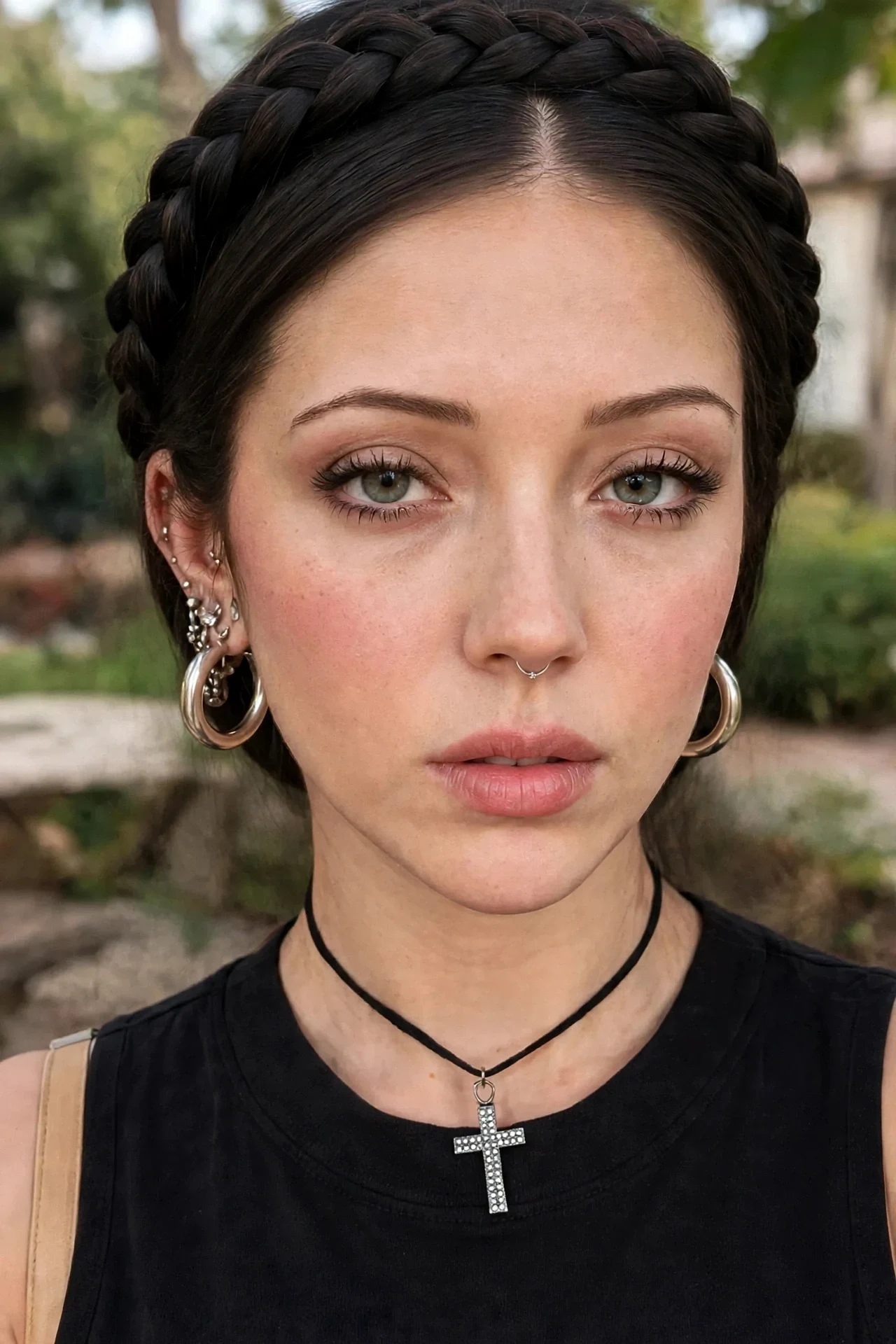
The halo braid circles the entire head like a crown — one continuous braid (or two braids pinned around) that looks romantic, formal and intricate while actually being fully protective, with every strand and end tucked away. It is a favorite for weddings, photos and any day you want to look deliberately styled.
Braid along the hairline in a full circle on stretched hair, keeping the braid chunky and even, then pin the tail discreetly under the braid itself. Slightly imperfect is prettier than severe here: soften the edges, pull one or two tiny curls free at the temples, and the crown reads as effortless rather than done.
Quick Tip: Braid on stretched, day-two hair instead of freshly washed — the slight texture gives the braid grip so it stays smooth all day.
Side-Swept Curls
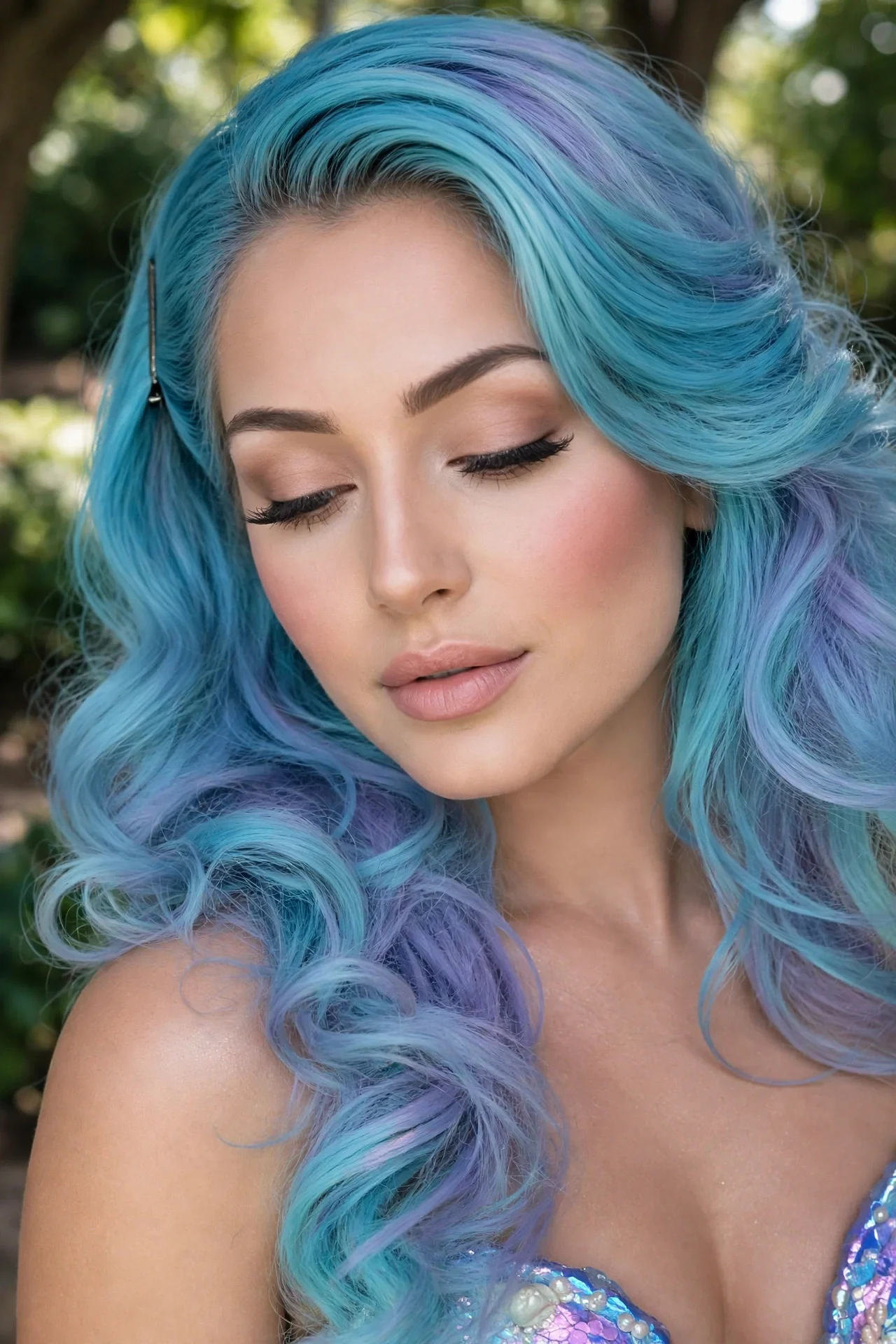
Sometimes the style is just placement. Side-swept curls take any loose style — wash-and-go, twist out, rod set — and sweep the whole mass dramatically to one side, pinned or clipped at the back. The asymmetry instantly looks styled and red-carpet, though it takes two minutes.
Create a deep side part, sweep everything over, and secure the swept side flat with decorative pins or a small braid along the hairline. It suits every length past the chin and is a clever refresh for a loose style on its last good day: the swept side hides flattening, and the volume side does the showing off.
Quick Tip: Pin the flat side with pins crossed in an X — they hold twice as well as single pins and look like a deliberate detail.
Half-Up Half-Down Curls
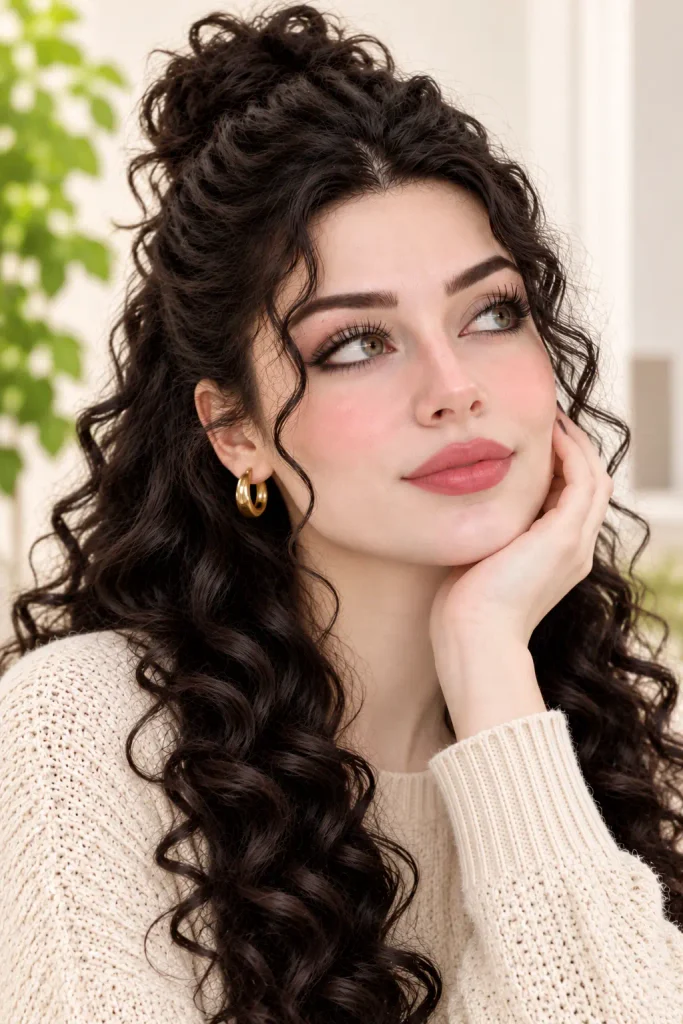
Half-up half-down is the diplomatic style: the top section pulled up into a small puff, bun or twist for height and a clear face, the rest left loose for length and volume. It flatters almost everyone, works for school, office and parties equally, and takes five minutes on any existing loose style.
Section from ear to ear, secure the top smoothly (a mini puff keeps it natural; a tiny bun makes it dressier), and let the front edges stay soft. Because half the hair stays down, it is also a forgiving style while growing out a cut — the up half hides uneven lengths completely.
Quick Tip: Match the top section’s finish to the occasion — a loose puff for daytime, a smooth mini bun and earrings for evening.
Box Braids
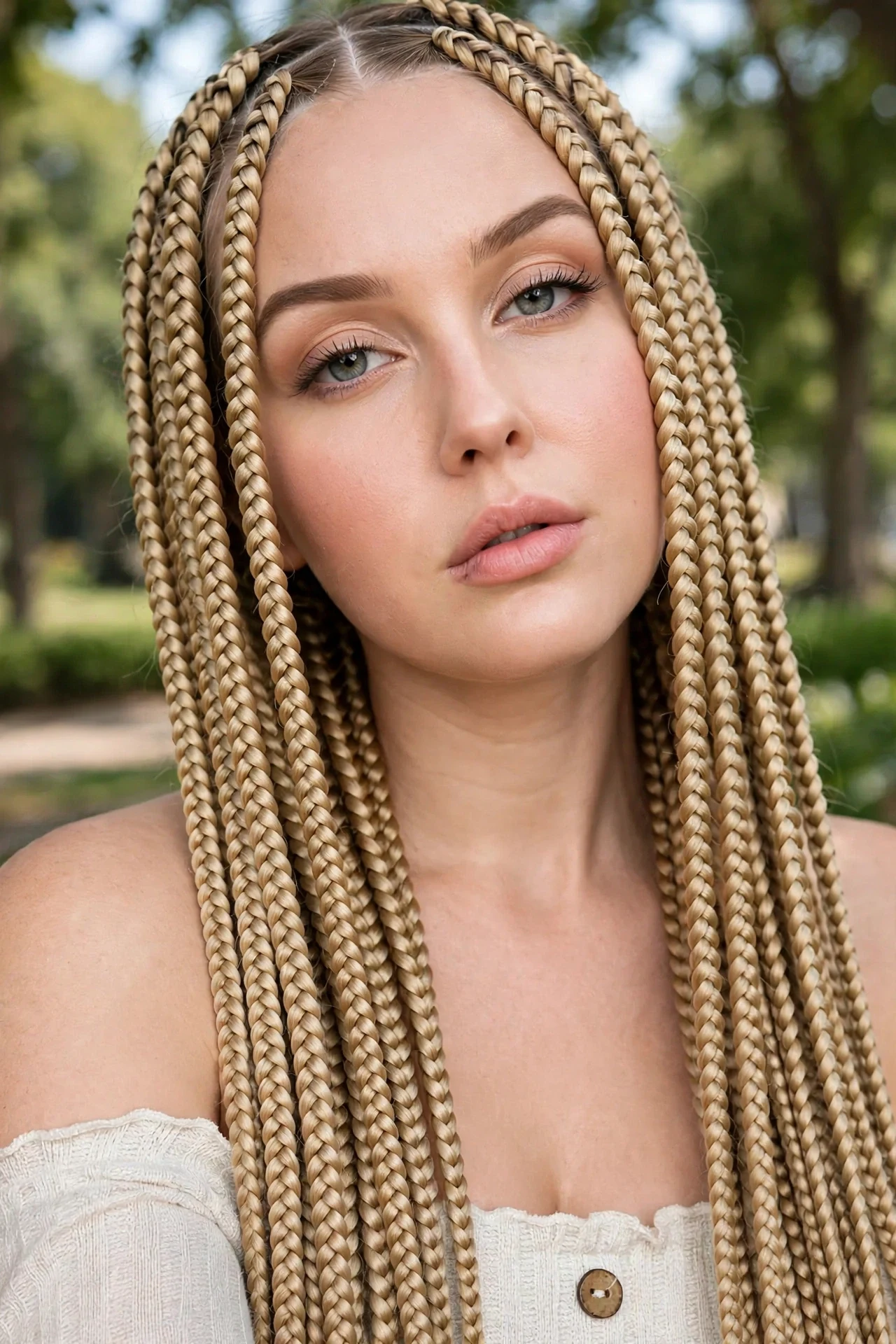
Box braids are the classic long-term protective style: hair sectioned into squares and braided down, usually with added braiding hair for length and fullness, then worn for four to eight weeks. They give natural hair a complete rest from daily manipulation while offering endless styling — buns, ponytails, updos, or simply worn long.
The health of the style is decided at installation: braids should feel secure, never painful, and the edges should be braided looser than the rest. Keep the scalp cleansed and oiled while they are in, sleep in a satin bonnet, and respect the removal date — braids kept past eight weeks start tangling at the root and costing the length they protected.
Quick Tip: Ask for your edges and nape to be braided last and loosest — those fine hairs are the first to break under tight braids.
Passion Twists
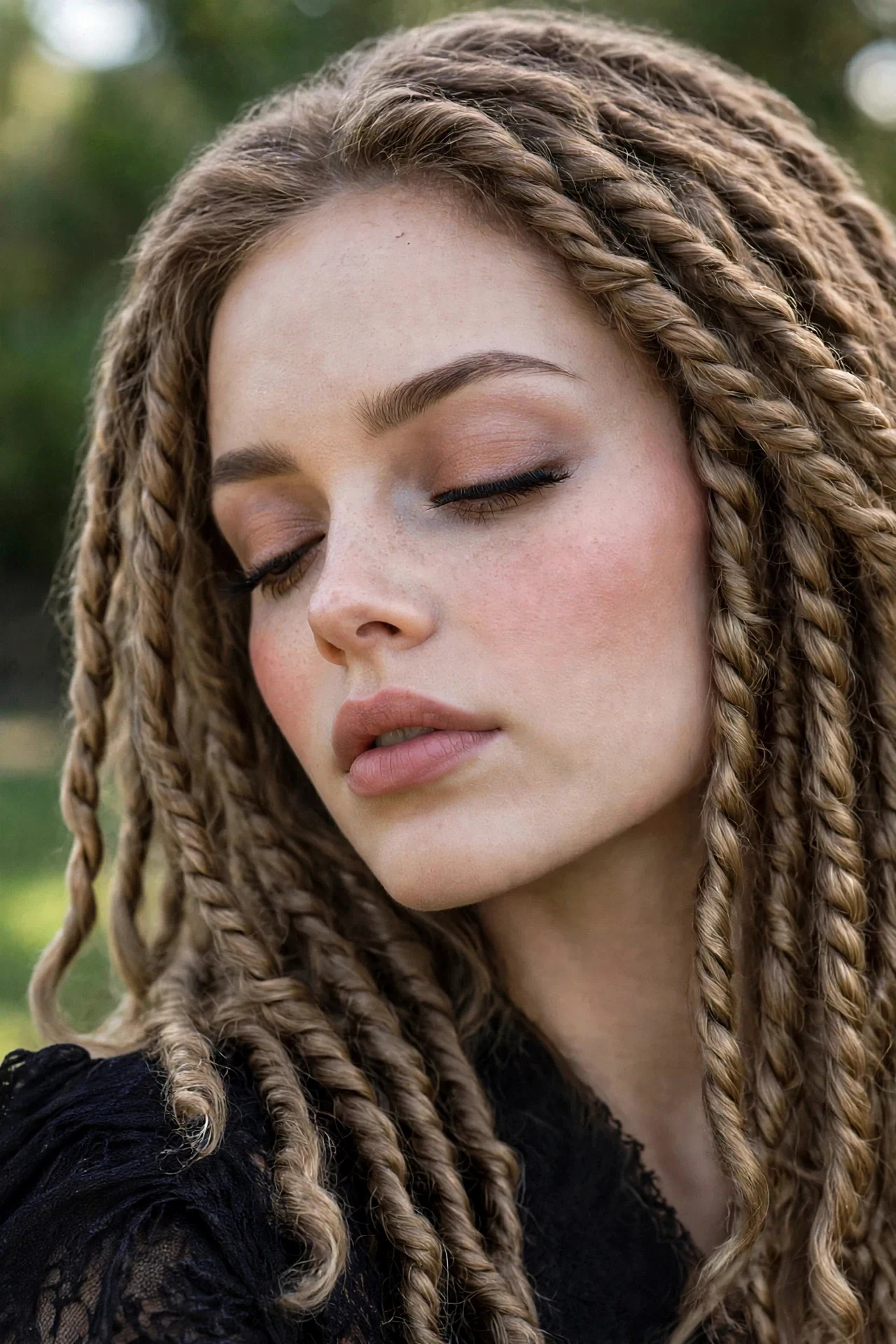
Passion twists are the boho answer to protective styling: two-strand twists made with wavy braiding hair, giving a soft, springy, slightly undone finish that looks like a twist out that never ends. They are lighter than box braids, quicker to install, and the curly texture hides new growth gracefully, so they age beautifully over four to six weeks.
Keep them moisturized with a light spray rather than heavy creams (build-up shows fast on the wavy hair), and cleanse the scalp gently between the twists. Style them up, half-up, or loose — the movement and bounce are the whole appeal, so the less you pin them down, the better they look.
Quick Tip: Distress the twists very slightly with your fingers after installing — passion twists look best a little lived-in, not salon-perfect.
Curly Bob
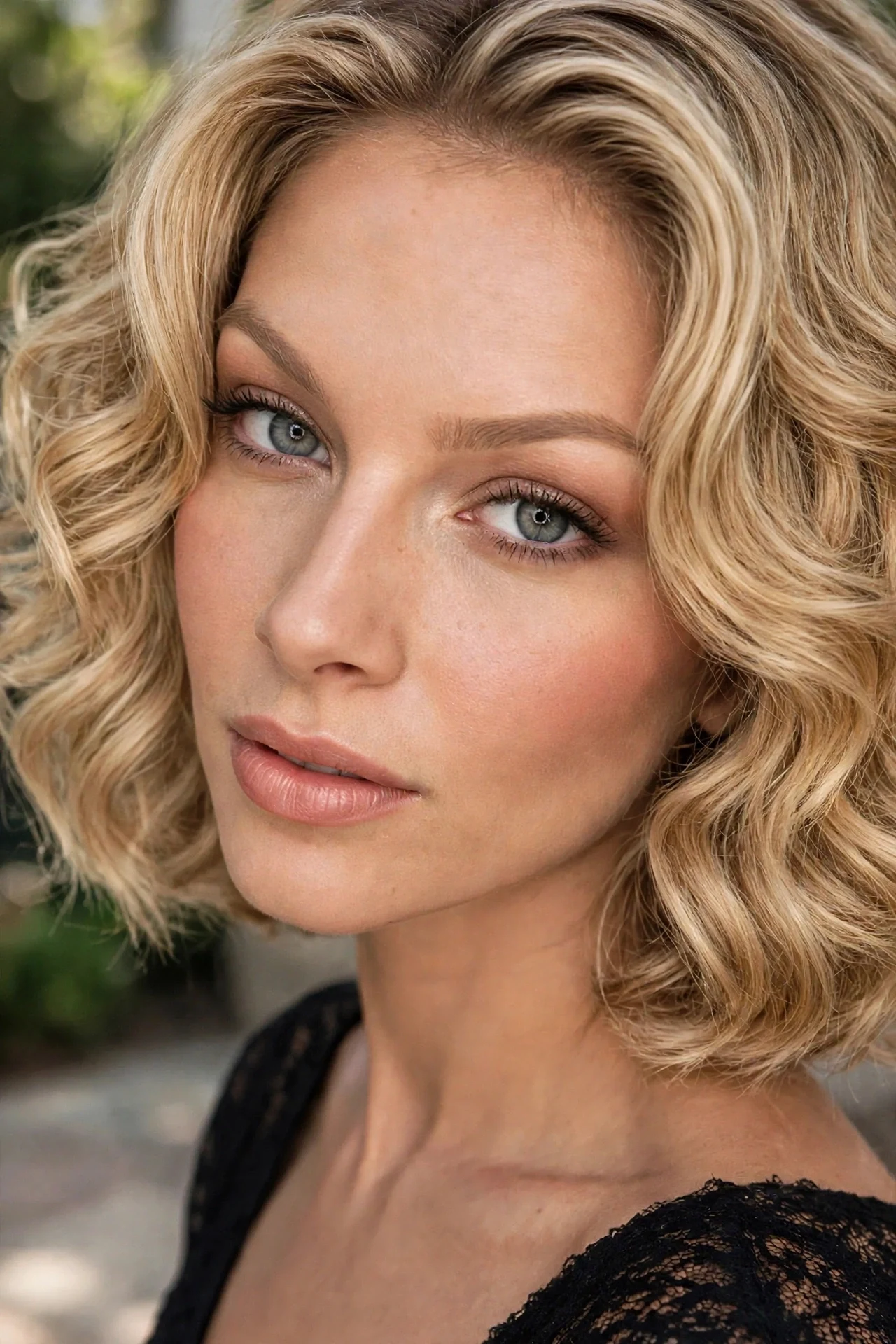
The curly bob is where cut meets texture: hair shaped to fall between chin and shoulder, with layers that let curls stack into a rounded, deliberate silhouette instead of the dreaded triangle. It is the most fashionable loose style on this list, and the most liberating — washing, styling and drying all take half the time.
Ask for the cut on dry hair, in its curly state, so the shape you see is the shape you keep. A bob lives on its perimeter, so refresh the ends every few months even while growing it out. Style it with a wash-and-go or twist out, push it all to one side for the evening, and let the shape do the work.
Quick Tip: Never judge a curly bob wet — shrinkage changes the silhouette completely, so assess and trim the shape dry.
Low Ponytail with Curly Ends
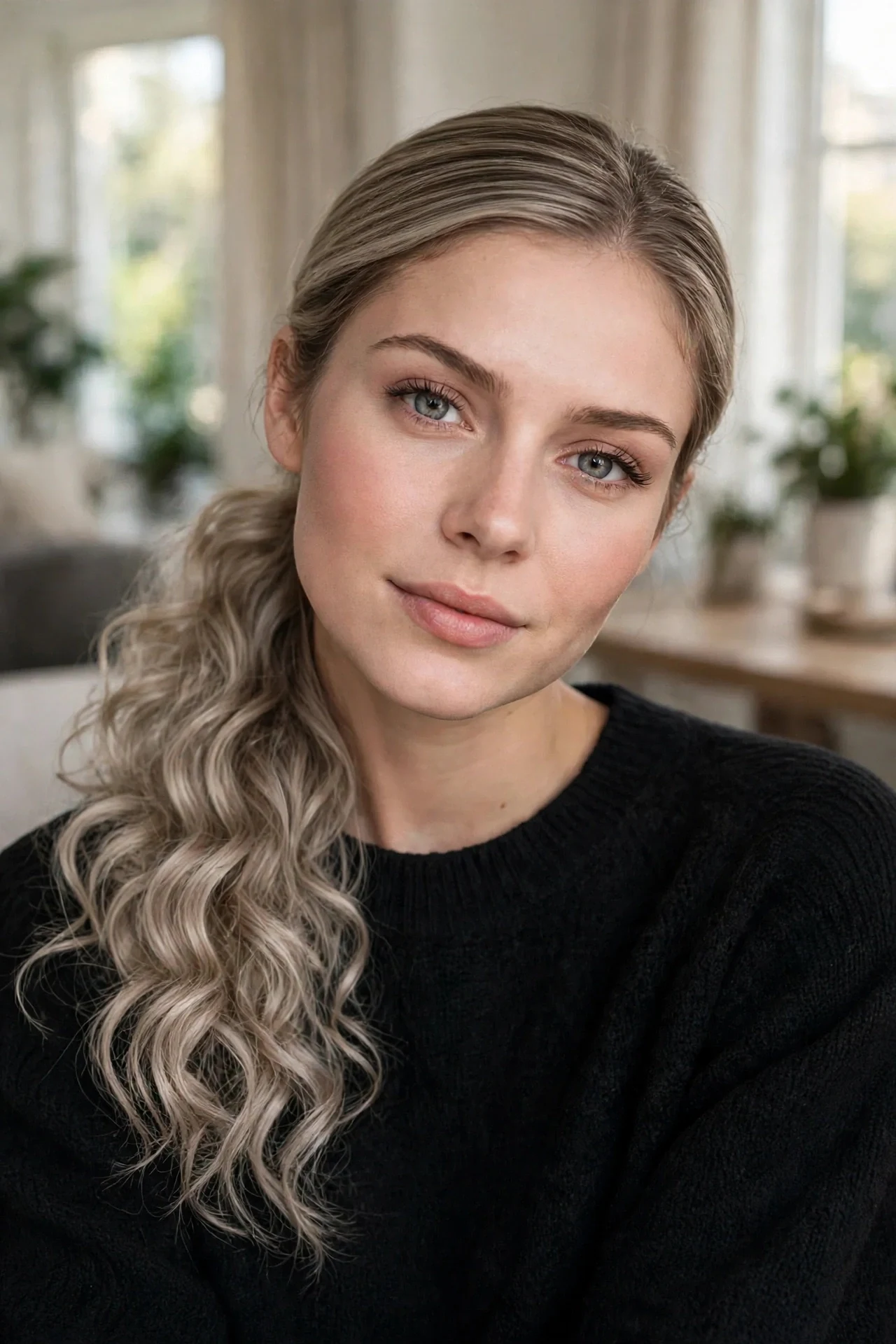
The low ponytail splits the difference between sleek and natural: the top smoothed back neatly into a low pony at the nape, while the ponytail itself stays fully curly and voluminous. It is polished from the front, playful from the back, and it works on stretched hair, old twist outs and wash-and-gos alike.
Brush the top smooth with gel and a scarf-set, gather at the nape over a satin scrunchie to protect the hair tie point, then fluff and shape the curly tail. A wrapped strand of hair around the band upgrades it instantly for events. It is also the gentlest updo here for fragile edges, since the tension sits low and loose.
Quick Tip: Fluff the ponytail last, after the top has set under the scarf — shaping too early drags the smooth finish apart.
Space Buns
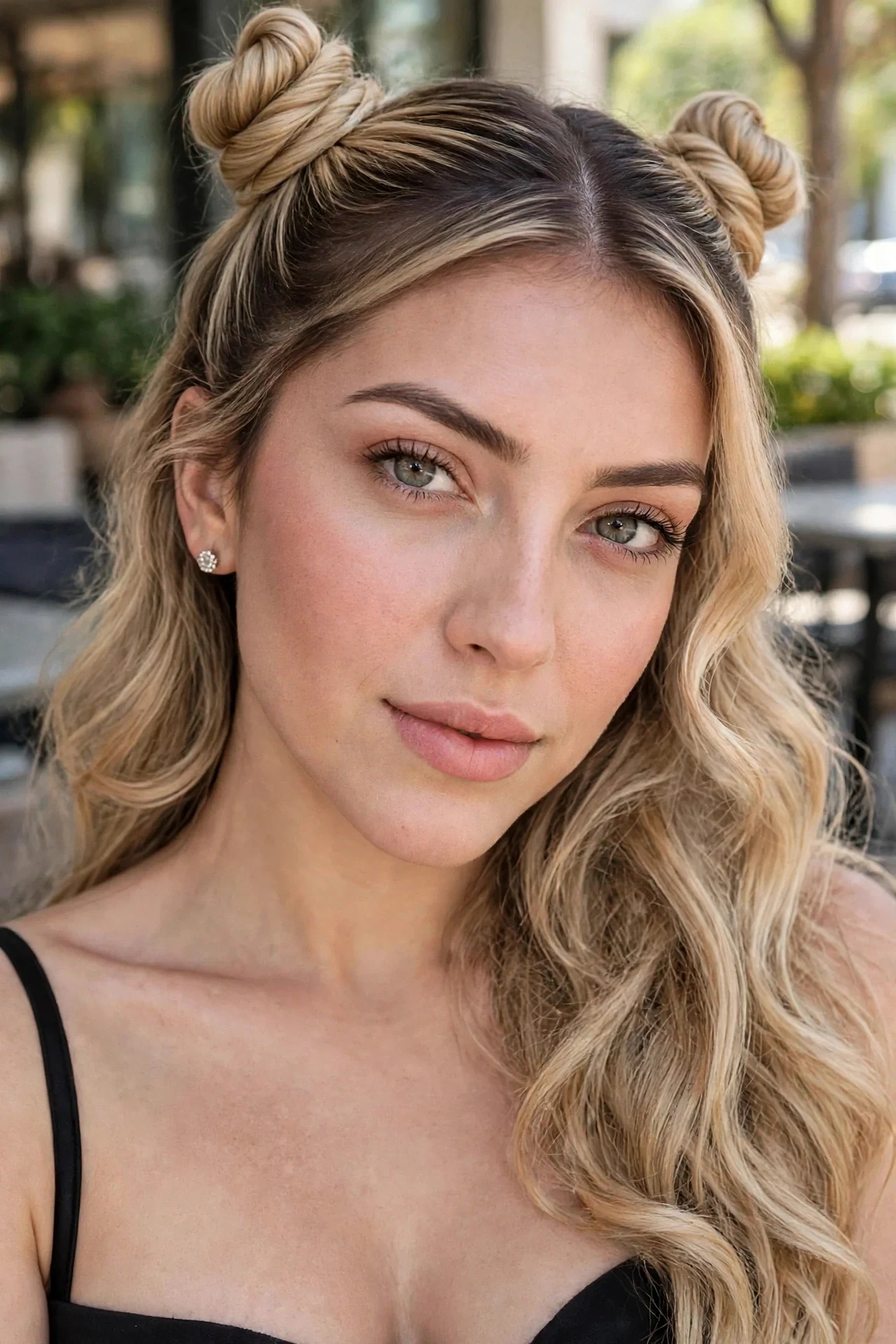
Space buns are the playful entry: a center part, two high pigtails coiled into buns on either side of the crown, and as much or as little edge styling as you feel like. They read youthful and fun, they suit festivals and weekends perfectly, and they keep hair fully up without a single tight band at the hairline’s weakest points.
Make them from two high puffs for the easy version — gather, twist the length around itself, pin. Leave a couple of curls loose at the front if you want them softer. Chunky, slightly messy buns look better than tight perfect ones here; this is the one style where neatness works against you.
Quick Tip: Build the buns from puffs rather than brushing the hair fully smooth — the texture gives bigger, better buns with less tension.
Flexi Rod Set Curls
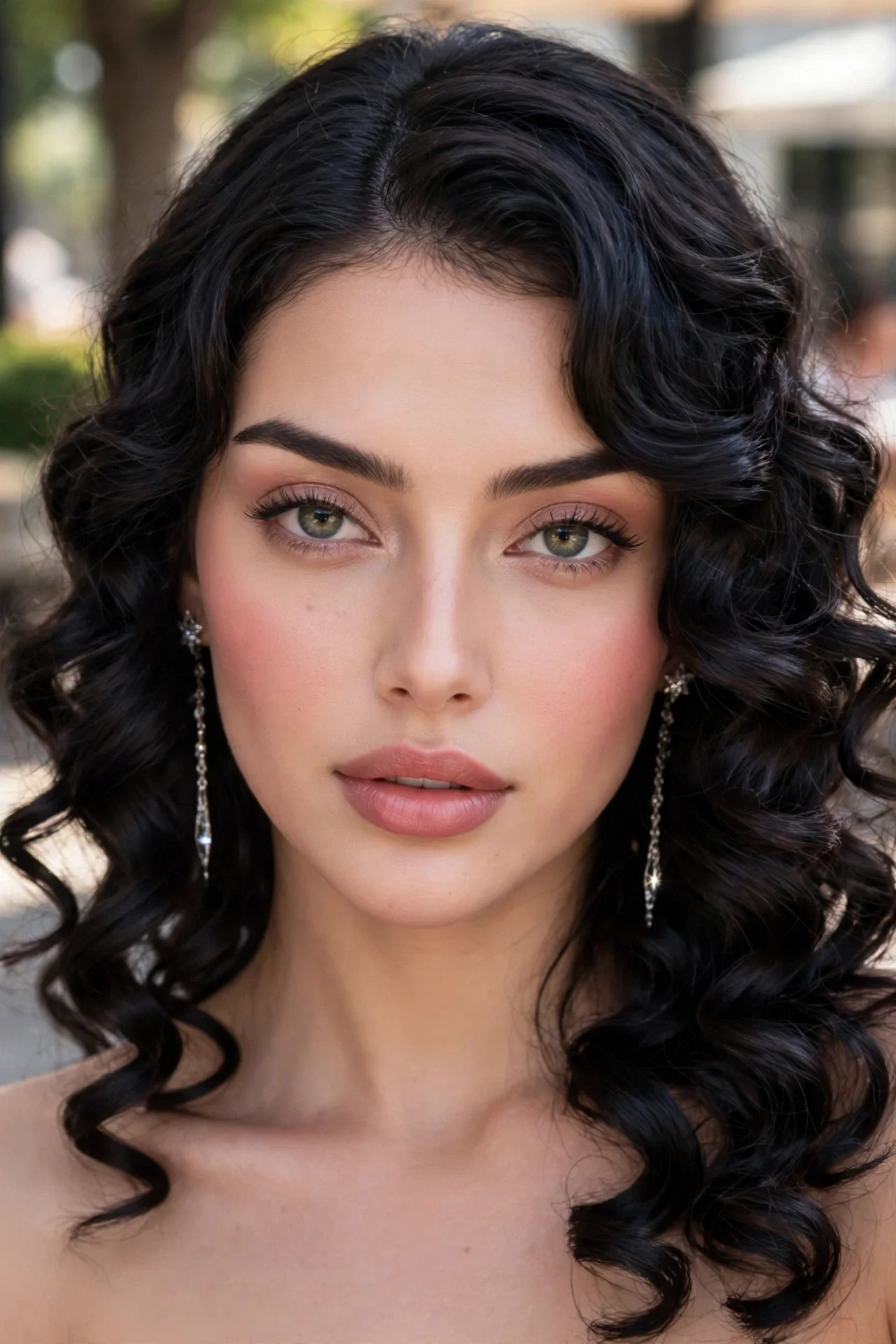
A flexi rod set is heatless glamour: damp hair wrapped around bendy foam rods, dried, then unraveled into uniform, glossy spiral curls that look like a salon set. It is the most formal loose style here — the one for events, photos and any day you want maximum polish from your own hair.
Rod size sets curl size, and thorough drying sets the lifespan — rods removed damp will fall by evening. Set on freshly washed, well-conditioned hair with a foam or setting mousse, sleep carefully or sit under a dryer, then separate each curl gently and lift the roots. Done patiently, the set holds for days.
Quick Tip: Let the rods come out only when one test curl at the back is bone dry — the nape dries last and decides whether the set lasts.
Voluminous Afro
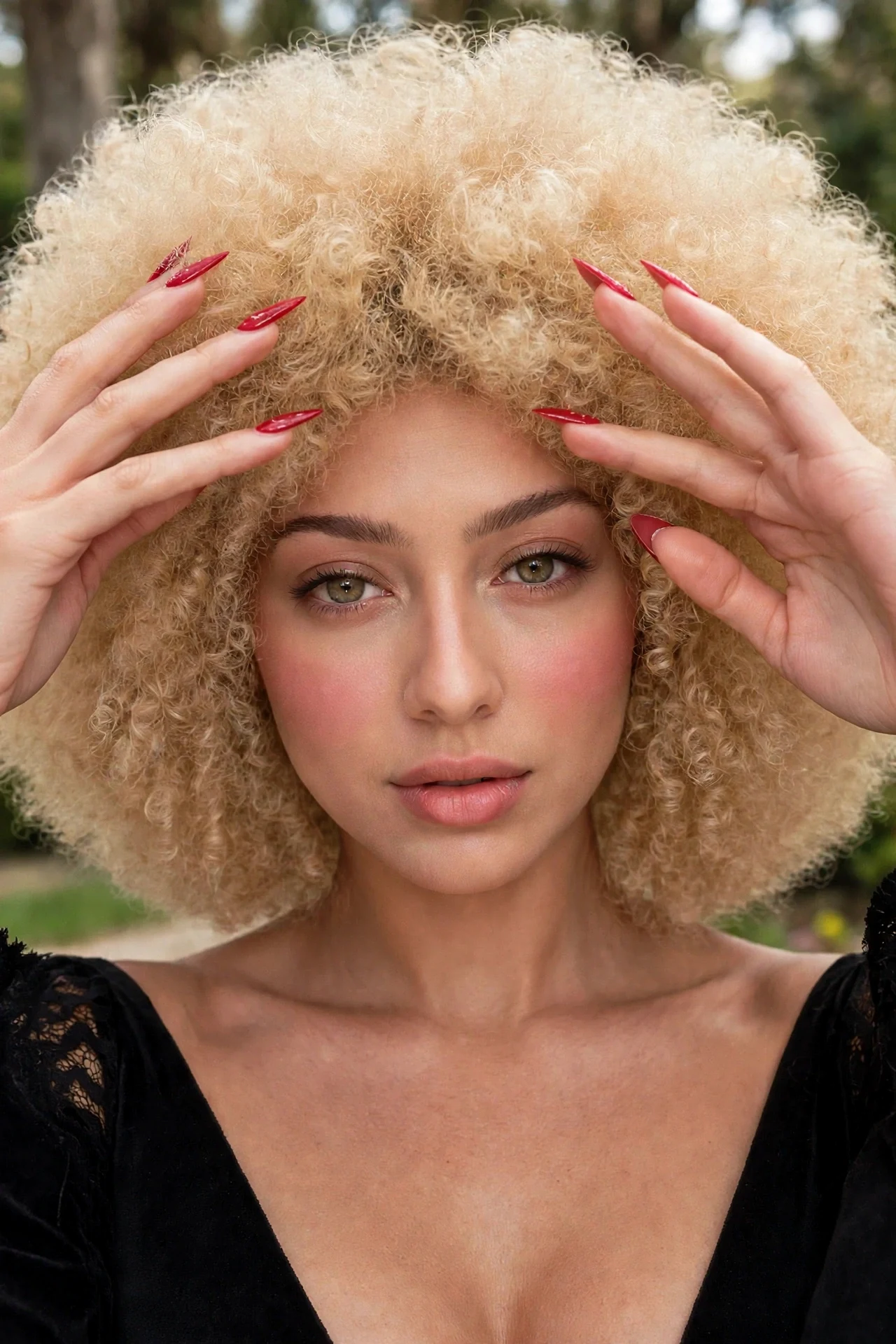
The afro is the original natural style and still the boldest: hair picked out gently into a full, rounded cloud that celebrates maximum volume and shrinkage-defying presence. It is less a technique than a stance — your texture, at full size, unapologetically.
Start from moisturized, stretched hair (an old twist out is ideal), pick from the roots outward in sections, and shape with your hands into an even halo, trimming any straggly ends that break the silhouette. Keep a small pick in your bag for reshaping, sleep in a bonnet to preserve the shape, and re-fluff rather than re-pick on following days.
Quick Tip: Shape the afro with your palms, pressing gently, after picking — hands give a rounder, softer silhouette than the pick alone.
How to Keep Natural Hair Healthy Between Styles
Every style on this list lasts longer and looks better on moisturized hair. Keep a simple rhythm: cleanse when the scalp asks for it, deep-condition on wash day, seal moisture with a cream or oil your hair actually likes, and sleep on satin or under a bonnet — cotton pillowcases quietly undo a twist out overnight. Detangle gently with fingers or a wide-tooth comb on damp, conditioned hair, never dry and in a hurry.
Finally, give each style a retirement date. Twists, braids and updos protect hair only while the edges and ends stay comfortable; worn too long, they start costing the length they were meant to protect. Rotating styles every one to three weeks — with a proper wash and condition in between — is what turns a list of hairstyles into genuinely healthier hair.