Kids’ rooms can look adorable one minute and completely chaotic the next. Toys end up everywhere, favorite colors change overnight, and suddenly a child who loved everything “baby” wants a room that feels much more grown-up. That’s why practical kids room decor ideas matter so much. The goal is to create a room that looks beautiful while still handling everyday life.
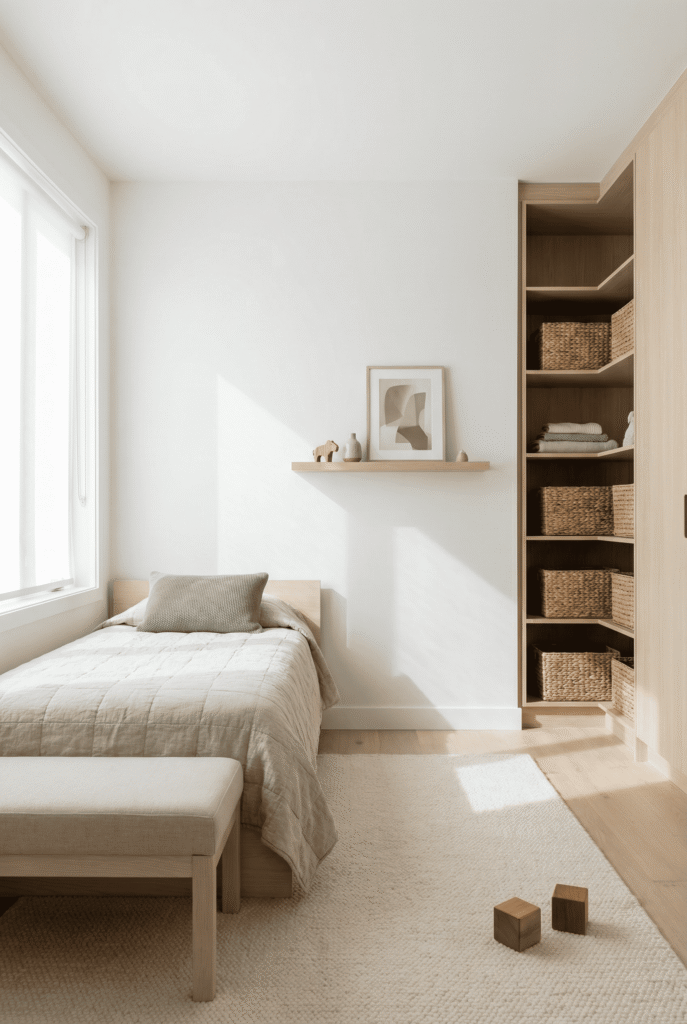
In this guide, you’ll find ideas for making a kids bedroom cozy, functional, and easy to update. Whether the room is tiny, shared, colorful, minimalist, or constantly changing, these ideas can help you create a space that works.
You also don’t need to tackle everything at once. Start with two or three ideas that solve the biggest problems in the room. Small changes can make a surprisingly noticeable difference without turning the entire weekend into a decorating project.
Table of Contents show
Start With the Room’s Big 3: Walls, Bed, Storage
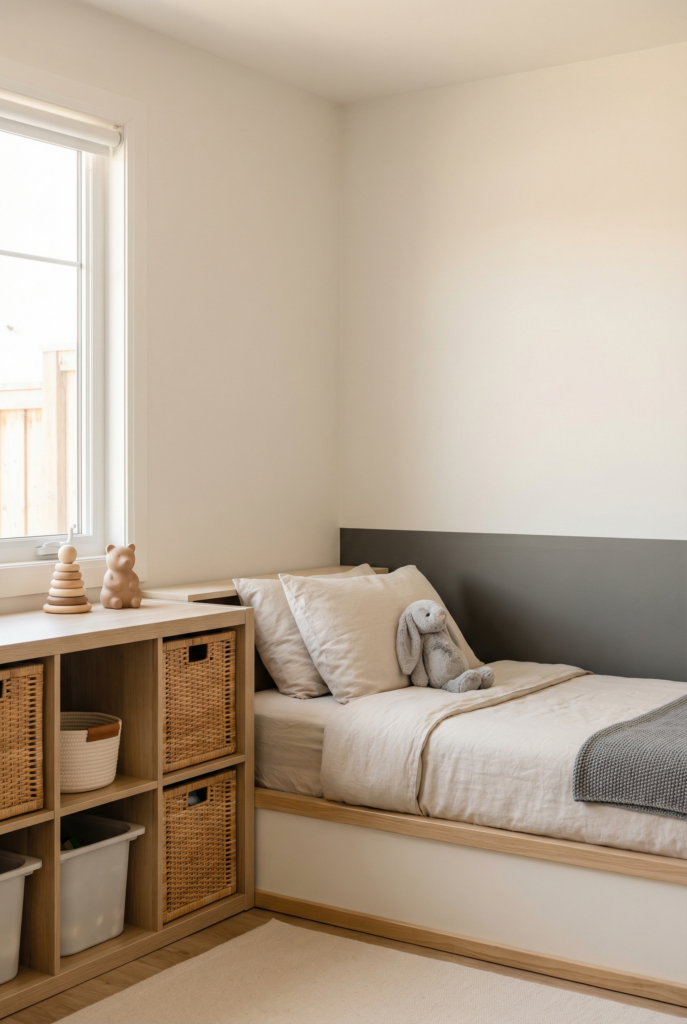

If you want the room to feel finished quickly, focus on the largest elements first. Small accessories are fun, but they won’t solve an awkward layout or a lack of storage.
What to decide first (so the room feels finished faster)
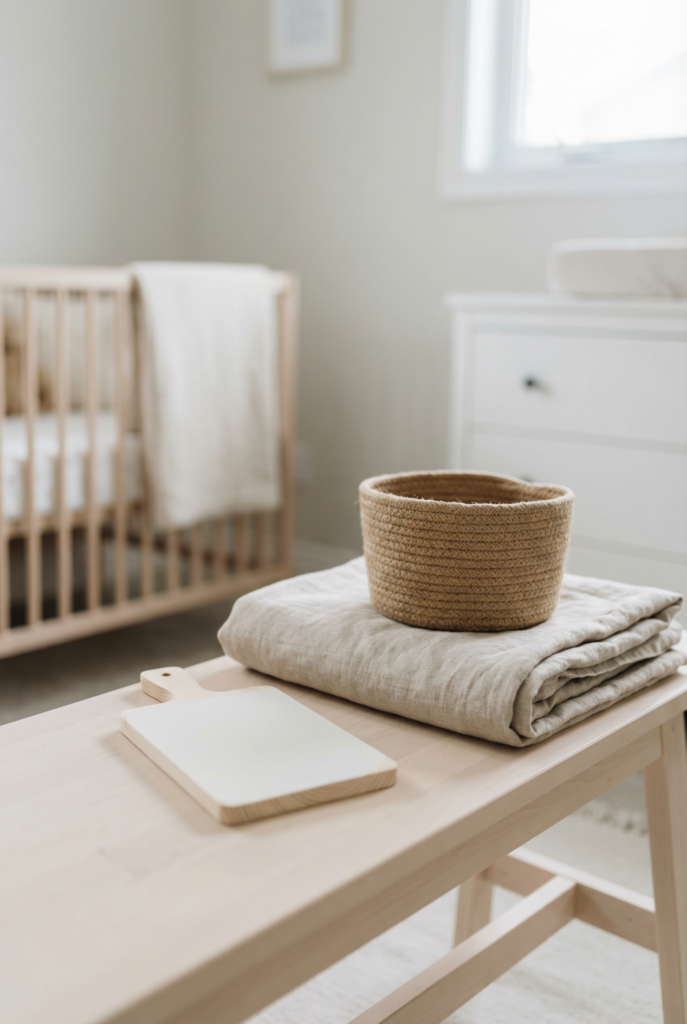
Before buying new decor, figure out these three things:
- The bed setup: Decide on the bed size, placement, and whether you need a space-saving solution.
- Main storage: Think about where clothes, toys, books, and everyday belongings will go and whether your child can access them independently.
- Wall treatment: Choose between paint, removable wallpaper, artwork, picture ledges, or leaving the walls simple.
This approach works for a girls bedroom, a tween bedroom design, a small children’s room, or a more modern kids room. Once the major elements work together, you won’t need dozens of accessories to make the room feel complete.
eces feel connected. It also prevents the room from becoming visually overwhelming.
Color and Theme Ideas That Won’t Feel Dated Next Year
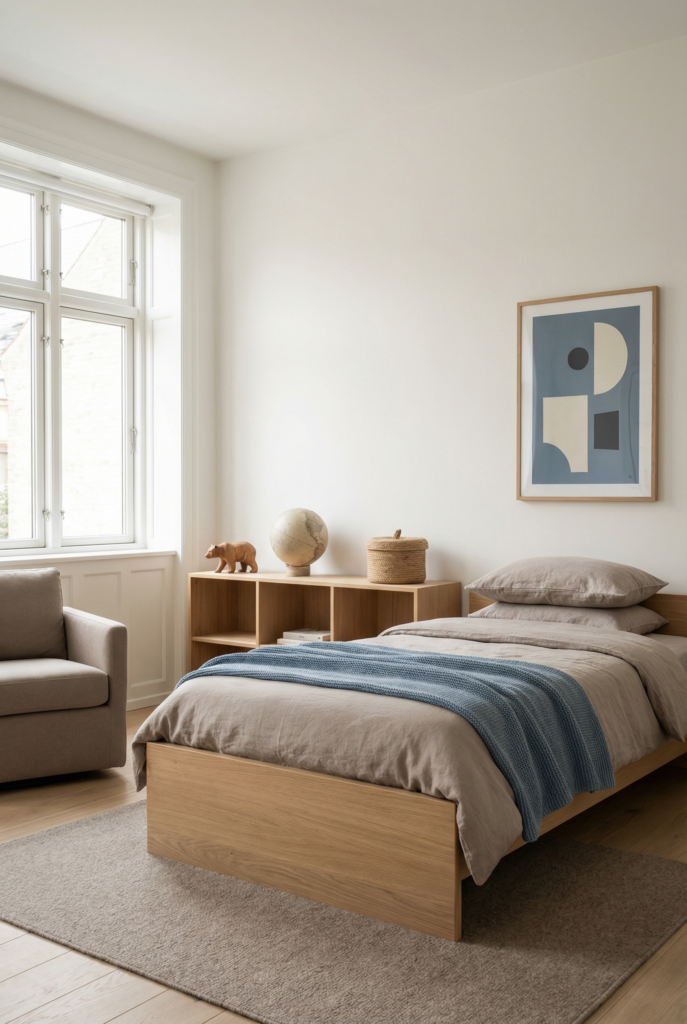
Themes can make a child’s room exciting, but committing every surface to one theme can become frustrating when their interests change. A flexible approach gives you more room to adapt.
Neutral base + playful accents (easy to swap)
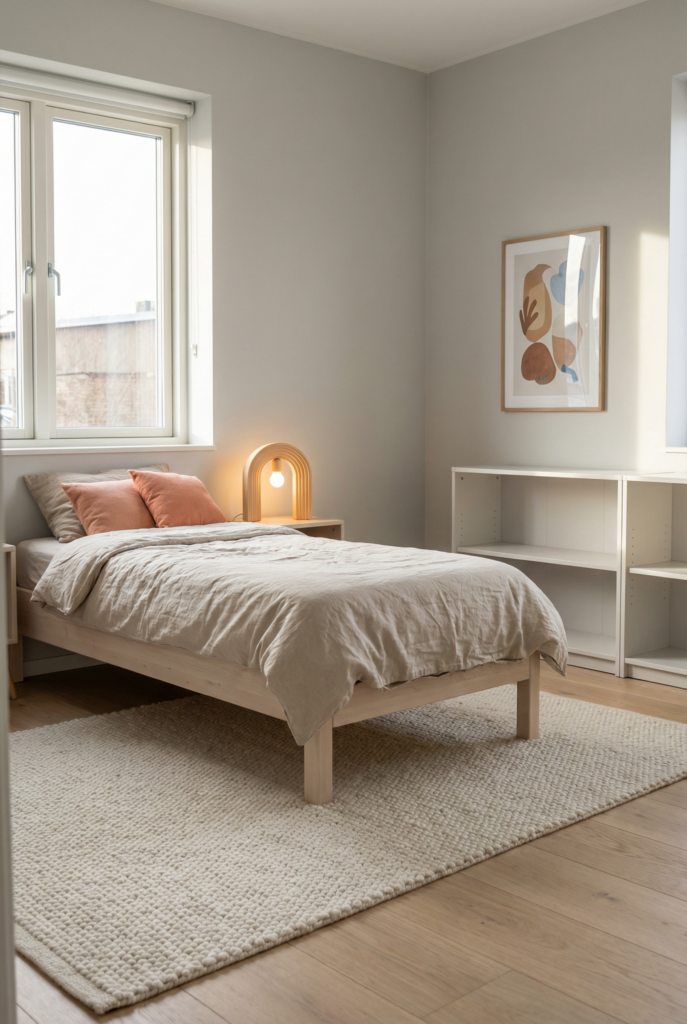
Start with a neutral foundation that can stay in place for several years:
- Neutral walls or one simple feature wall
- Solid bedding or a subtle pattern
- Simple curtains and a versatile rug
Then bring in personality through easy-to-change details:
- Pillows and blankets
- Artwork
- Lamps
- Small decorative pieces
- A few themed accessories
This creates a cozy kids bedroom that can evolve without requiring a complete makeover every time your child discovers a new favorite interest.
Popular theme directions (space, animals, florals, sports, storybook)

Some themes are easier to adapt than others. These can provide inspiration without making the room feel overly specific:
- Space: Stars, planets, dark blue accents, and simple science-inspired artwork
- Animals: Woodland, safari, ocean, or nature illustrations
- Florals: Soft floral patterns that can transition naturally into the tween years
- Sports: Colors, equipment displays, and subtle athletic details instead of covering the room in logos
- Storybook: Vintage illustrations, warm textures, and imaginative artwork
A botanical kids room can feel playful while still looking sophisticated. Likewise, a whimsical nursery can eventually evolve into a storybook-inspired room with only a few changes.
Wall Decor Ideas That Make the Biggest Impact
Walls offer a great opportunity to add personality without taking up valuable floor space. They can also create a major visual transformation without replacing furniture.
Paint moments (color block, arch, half wall)
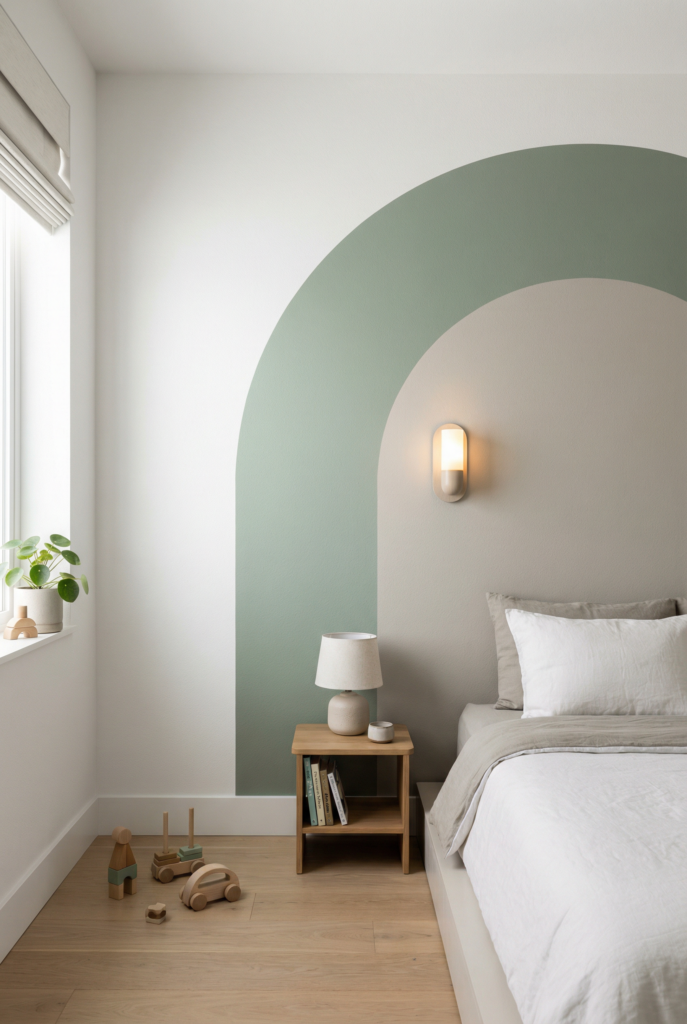
Paint is one of the most affordable ways to make a noticeable change.
Try:
- A color block behind the bed to create a defined sleeping area
- An arch behind a desk or reading corner
- A half wall in a richer shade with a neutral color above
These ideas work especially well in a playful kids room because they can suggest a theme without relying on character decor. With softer colors, the same techniques can create a more sophisticated kids room.
Renter-friendly options (peel-and-stick, removable hooks)
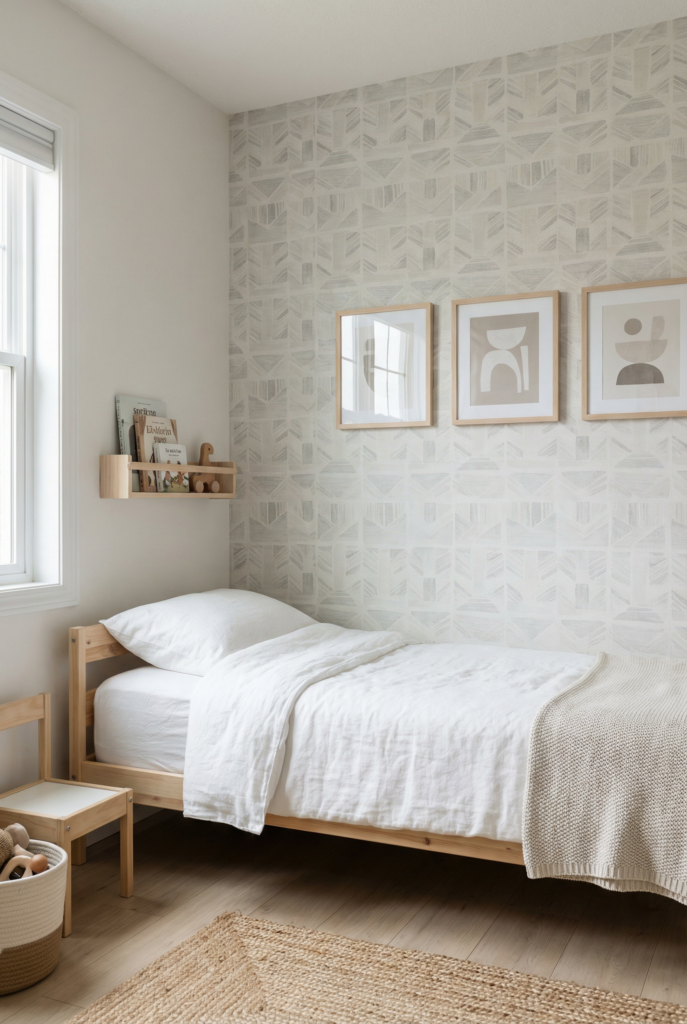
If painting isn’t an option, removable decorating products can still make the room feel personalized.
Consider using peel-and-stick wallpaper:
- Behind the bed
- Inside a small nook
- On one feature wall
Removable hooks can also make it easier to display lightweight artwork and organize items without permanently changing the walls.
Keep the wall treatment focused. One strong feature usually looks better than covering every available surface.
Picture ledges + rotating art wall
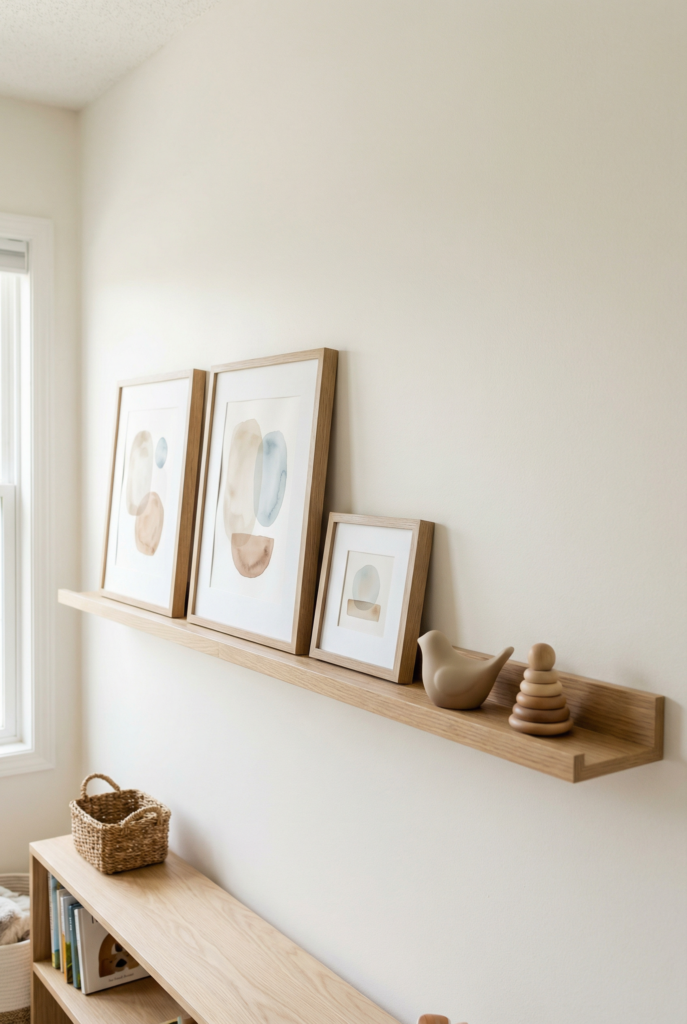
Picture ledges are especially useful in kids’ rooms because artwork can be changed without constantly adding new holes to the wall.
Use them to display:
- Framed prints
- Your child’s artwork
- Favorite books
- A few small decorative objects
Rotating the display throughout the year can give the room a fresh look without requiring a major redesign.
Bedding and Bed Styles That Do More Than Look Cute
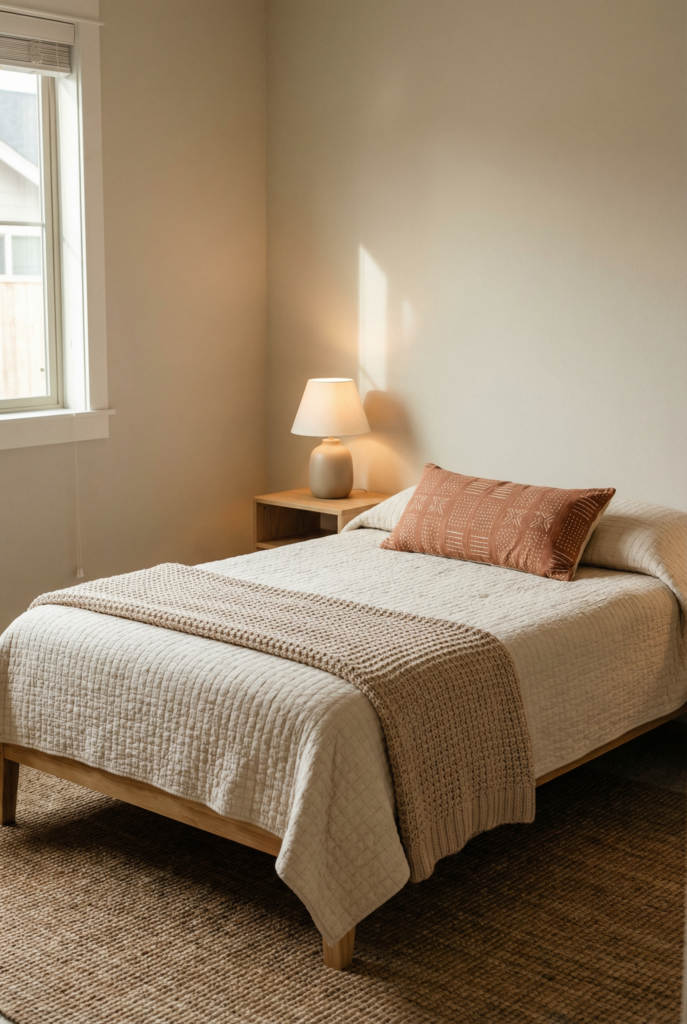
Bedding can completely change the appearance of a room without requiring new furniture. It’s one of the easiest ways to refresh the space.
Statement bedding (fastest refresh)
If you want an immediate update, start with the bed.
You could add:
- A bold duvet cover
- A textured quilt
- A new combination of pillows
For a colorful kids room, keep the walls relatively calm and let the bedding provide most of the personality. For a quieter room, choose textured neutral bedding and introduce one or two brighter accents.
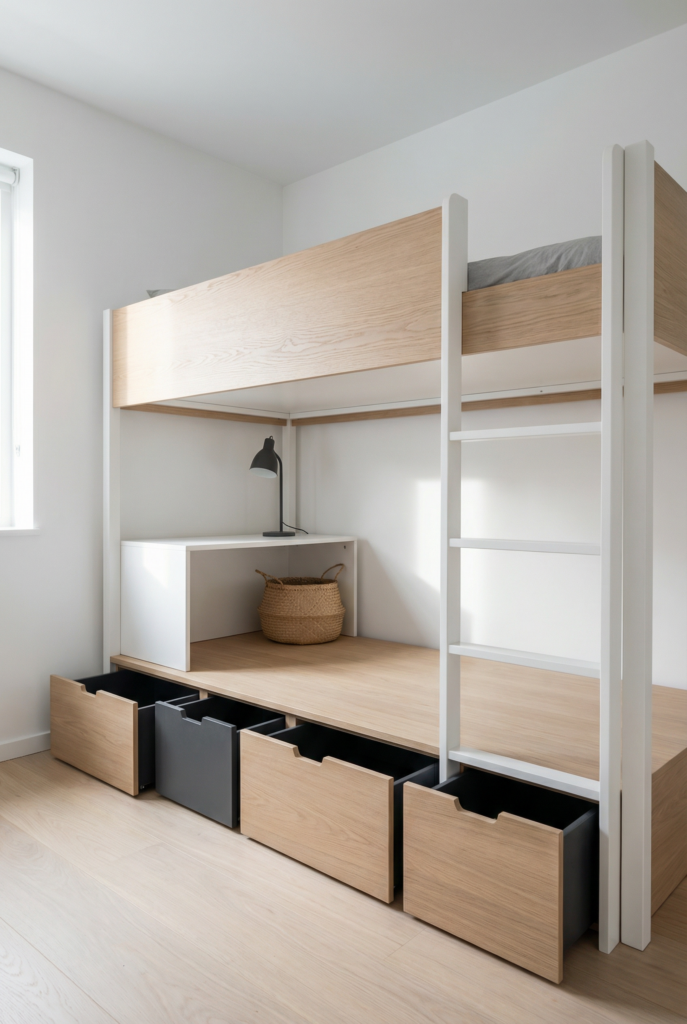
Space-savers: bunks/lofts/trundles + underbed storage
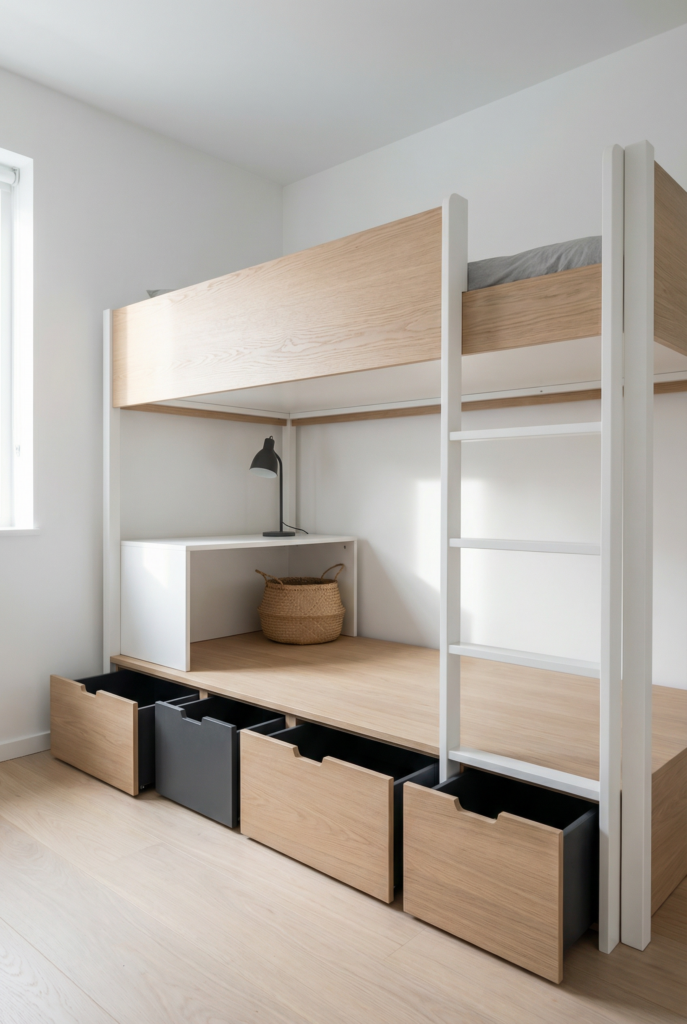
In a small bedroom or shared kids room, the bed can provide more than a place to sleep.
Useful options include:
- Bunk bed ideas for siblings and sleepovers
- A trundle for an extra sleeping space that can be tucked away
- A loft bed with a desk or play area underneath
- Underbed drawers or bins for toys, clothing, and other belongings
For a kids study bedroom, a loft can be especially helpful because it creates room for a homework station without using additional floor space.
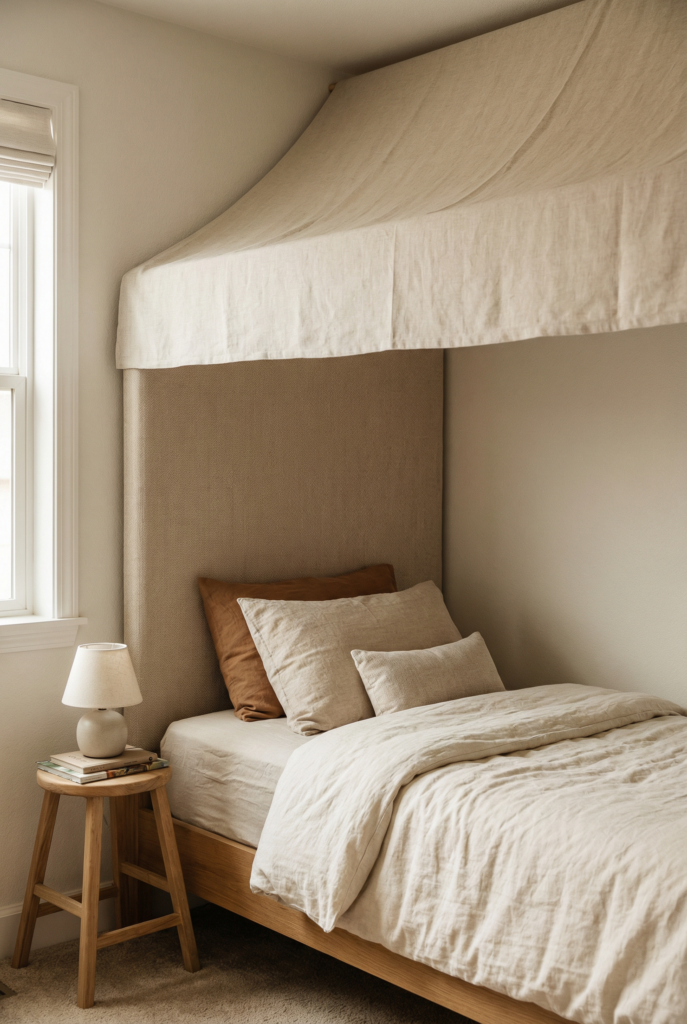
Cozy upgrades: headboard alternatives, canopies, layered pillows
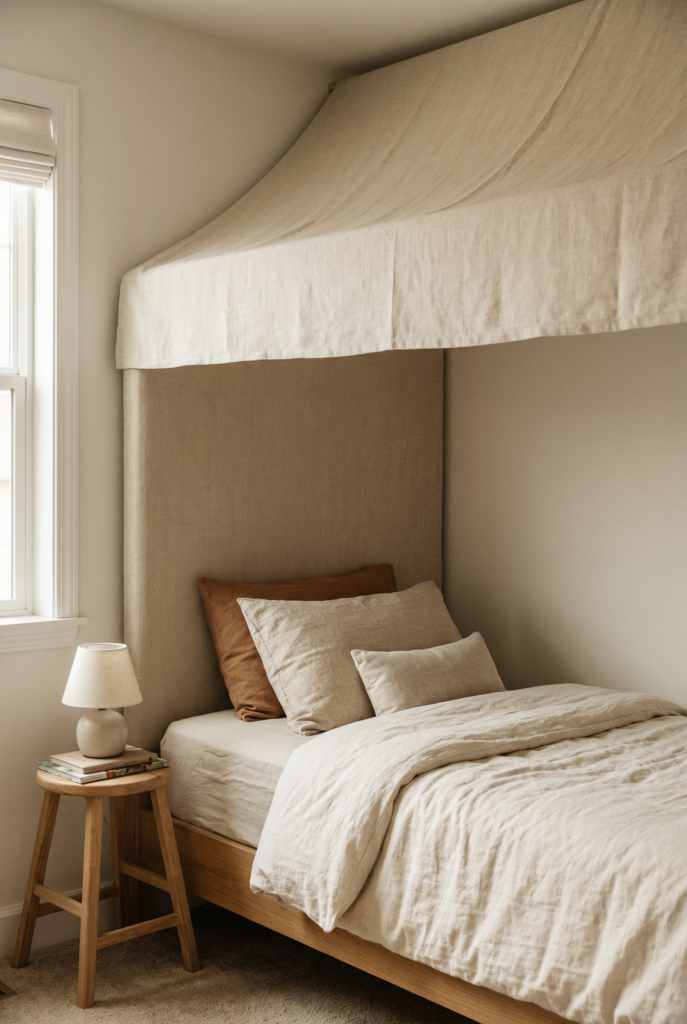
You don’t necessarily need an expensive headboard to make the bed look complete.
Try:
- A wall-mounted upholstered panel
- A fabric canopy
- A painted arch
- Layered pillows arranged as a soft visual headboard
Keep decorative pillows practical. A few are enough to make the bed look finished without creating another pile of things that need to be moved every night.
Kid-Friendly Storage (So They Can Actually Put Things Away)
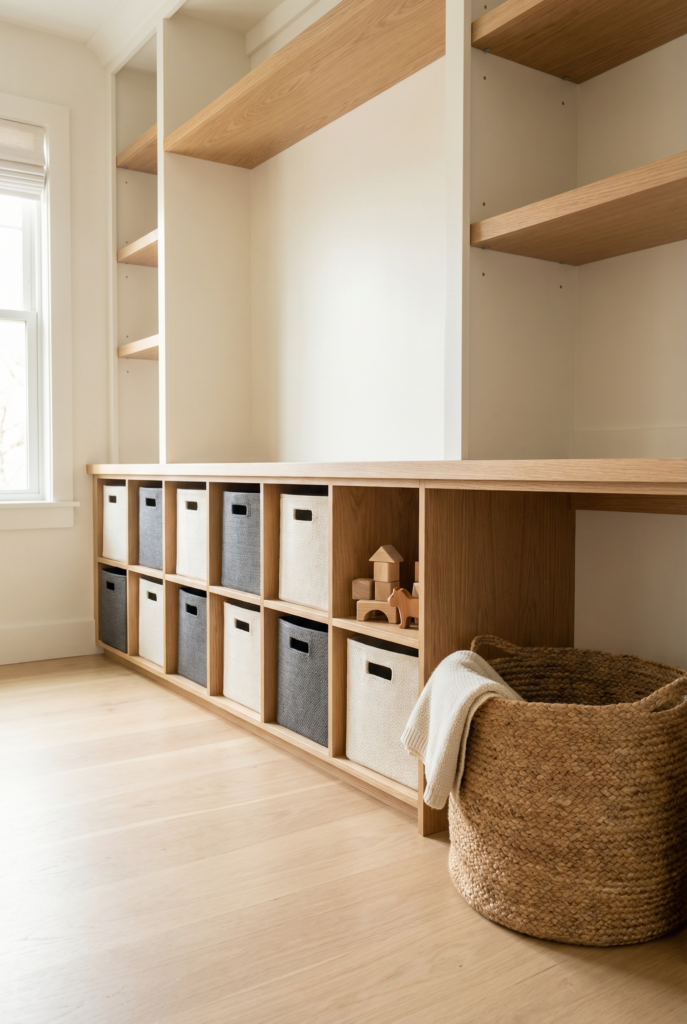
The best storage system is one your child can actually use. If everything requires an adult to reach, sort, or organize, cleanup will always become your responsibility.
Open bins + labels + “one drop zone”
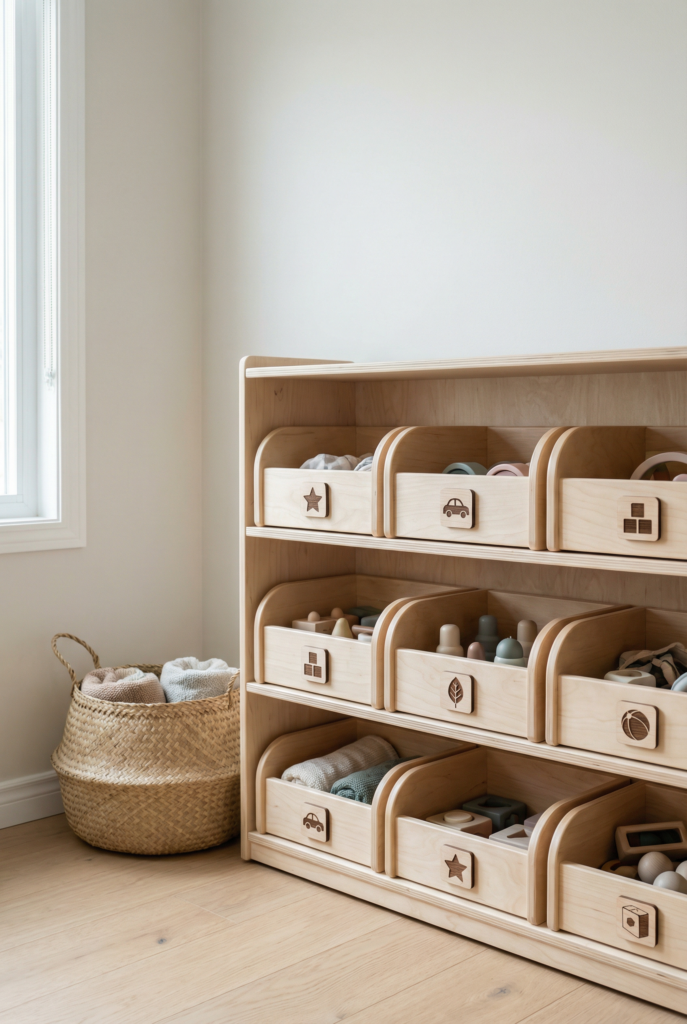
A simple storage system can include:
- Open bins
- Broad categories
- Easy-to-read labels
- Pictures on labels for younger children
- One designated drop-zone bin
The drop-zone bin gives kids somewhere to put things when they’re tired or don’t have time for perfect organization. You can sort it properly later.
Book storage: front-facing ledges vs bookcase
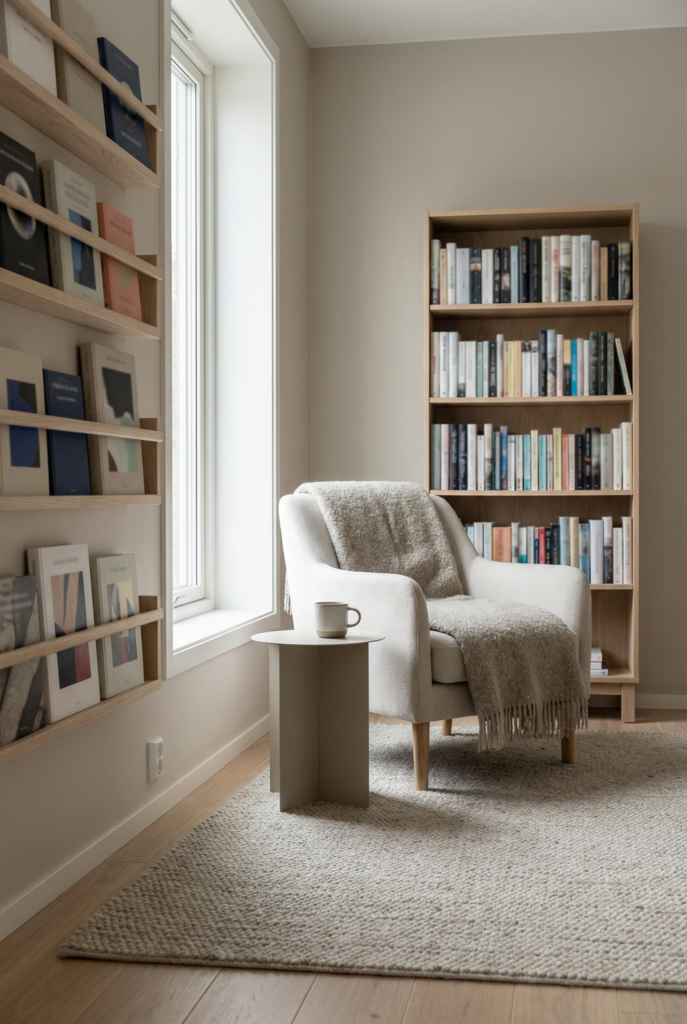
Front-facing book ledges work especially well for younger children because they can easily see the covers and choose what they want.
Traditional bookcases are useful for older children who can organize books by title, subject, or category.
If there is enough space, combine the two: use ledges for favorites and a bookcase for the rest. This also creates a welcoming reading area when paired with a comfortable reading nook design.
Toy editing + simple rotation (keep less out)
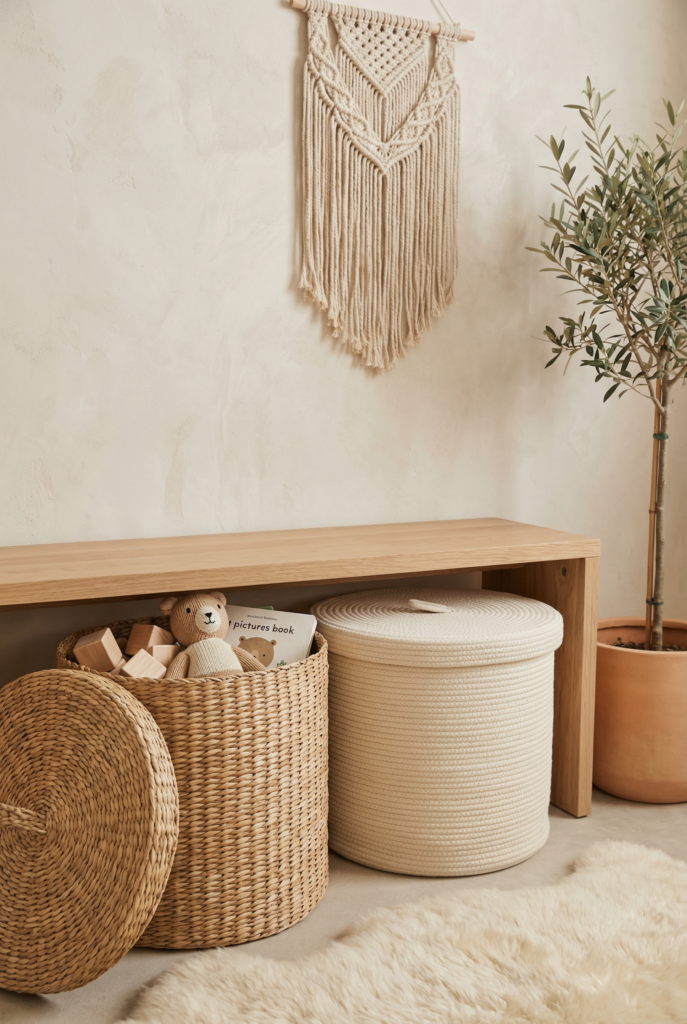
Toy rotation is an easy way to reduce visual clutter.
Keep a manageable selection of toys available and store the rest in containers, closets, or under the bed. Rotate them every few weeks.
Having fewer items visible makes cleanup easier and can make old toys feel interesting again when they return to the room.
This works particularly well in a small children’s room because it creates a dedicated activity area without requiring bulky furniture.
Display vs stash (a shelf for treasures, a bin for chaos)
Children often collect small treasures such as rocks, figurines, artwork, and tiny collectibles.
Instead of trying to hide everything, give those items two destinations:
- One small shelf for favorite objects
- One container for everything else
This gives your child a place to display their collection without allowing tiny objects to cover every surface.
Add a Homework/Creative Spot (Even in a Small Room)
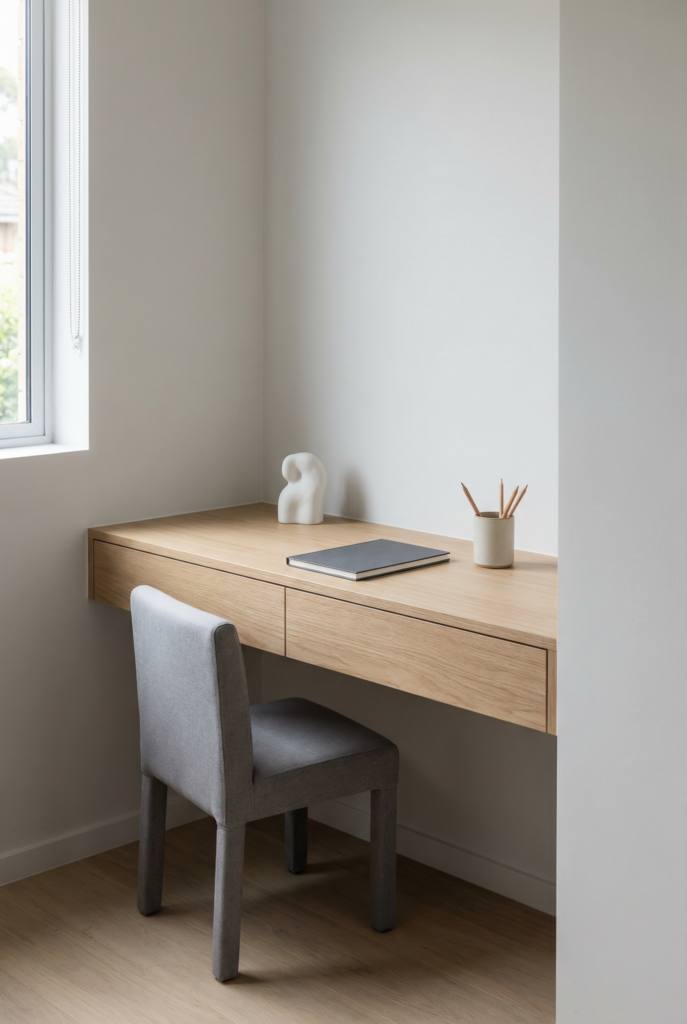
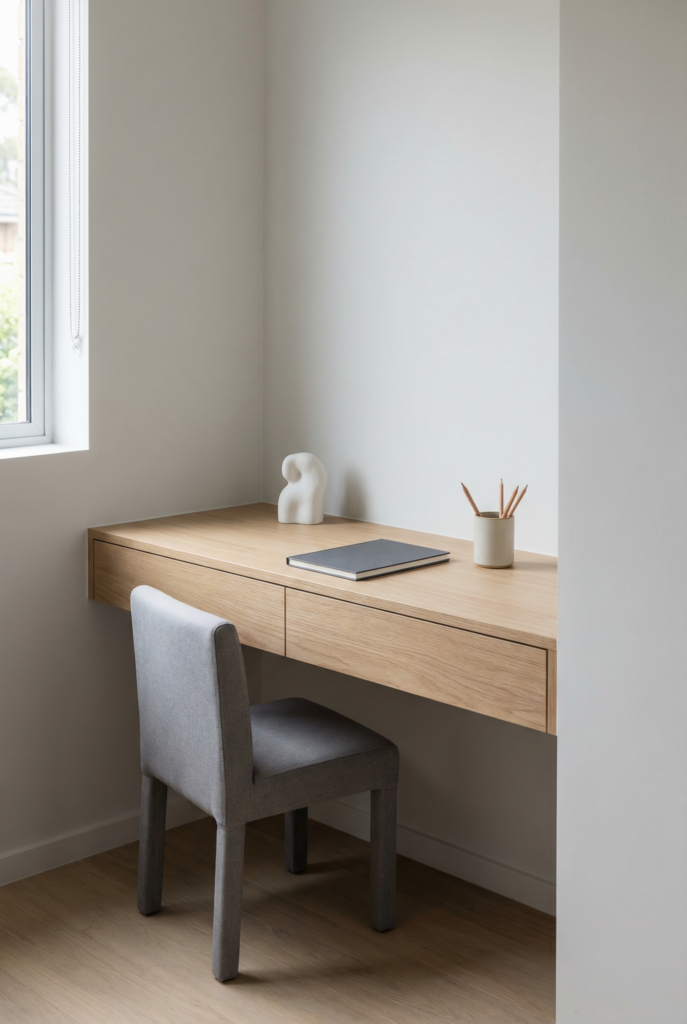
A creative area can be useful even before your child starts formal homework. Drawing, coloring, crafts, reading, and eventually schoolwork can all happen in the same space.
The desk doesn’t need to be large. It needs to provide enough surface area for the activities your child actually does.
Use the wall above the desk to keep supplies organized..
FAQ
How can I decorate a child’s room without spending much?
Begin with changes that cost little or nothing. Rearrange the furniture, shop the rest of your home for items that could work in the room, refresh the walls, and change the bedding before buying major furniture.
What affordable decor items make the biggest impact in kids’ rooms?
Bedding, rugs, wall art, curtains, and lighting can create noticeable changes without requiring a full redesign. Storage baskets and bins can also improve both the appearance and function of the room.
How do I refresh a kids’ room using items I already have?
Try rearranging the furniture, rotating artwork and books, changing which accessories are displayed, and moving useful storage pieces from another room. Even changing the bed’s position can make the room feel completely different.
What DIY decor ideas work well for children’s spaces?
Simple painted arches, half walls, picture ledges, framed artwork, labeled storage bins, and small reading corners are practical DIY projects that can add personality without requiring advanced skills.
How can I update kids’ decor as they grow without a full redesign?
Keep the main elements relatively neutral and update easily replaceable pieces such as bedding, artwork, pillows, rugs, and accessories. Add new functional elements, such as a desk or improved lighting, as your child’s needs change.
What budget-friendly storage options help keep kids’ rooms tidy?
Cube organizers, labeled baskets, underbed containers, open bins, and low shelves are practical choices. A dedicated drop-zone bin can also make quick daily cleanup much easier.
How do I decorate a small kids’ room on a budget?
Use vertical storage, keep unnecessary furniture off the floor, and choose pieces that serve multiple purposes. Loft beds, underbed drawers, wall-mounted desks, and tall storage can help maximize the available space.
Can inexpensive decor still feel playful and stylish?
Absolutely. A consistent color palette, repeated materials, and a few carefully chosen accents can make affordable decor feel intentional. You don’t need expensive furniture to create a polished room.
What affordable wall decor options are safe for kids?
Picture ledges, lightweight framed art, removable decals, fabric banners, and removable hooks can all work well. Heavy objects should be securely mounted, and tall furniture should be properly anchored.
How do I add colour and personality without repainting?
Use bedding, curtains, rugs, artwork, pillows, and small accessories to introduce color. Keeping larger pieces neutral gives you more flexibility when your child’s preferences change.
AD
Wrap-up: Pick one wall idea + one storage fix this weekend
If you’re not sure where to begin, choose one wall project and one storage improvement. You might add a painted arch or picture ledge while also introducing labeled bins or underbed storage.
That combination can create a noticeable improvement without requiring a complete room makeover.
The goal isn’t to create a perfectly styled bedroom that stays untouched. It’s to create a room that looks good, feels comfortable, supports your child’s interests, and still works when real life gets messy.