
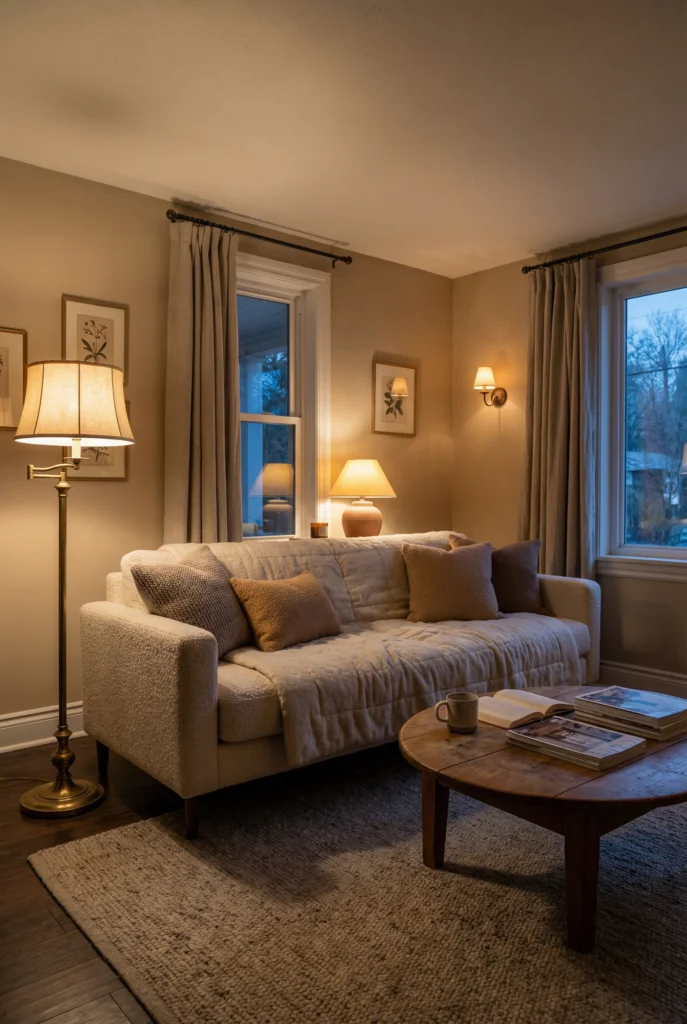
2026 Home Decor Trends
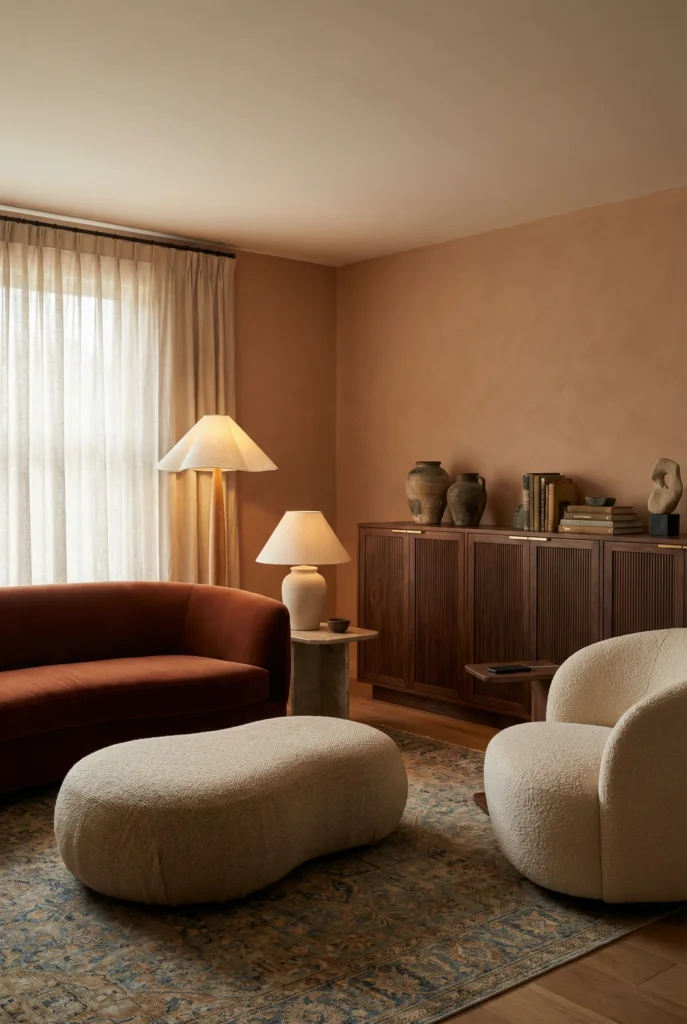
I’m sharing the home decor trends in 2026 in a way that reflects how they actually feel in everyday life. This year, decorating is less about making a home look perfect and more about creating a space that feels warm, comfortable, personal, and easy to live in.
In 2026, we’re seeing softer lighting, natural materials, warmer colors, comfortable furniture, and interiors that reflect individual personalities. Homes no longer need to feel like perfectly styled showrooms. Instead, the focus is on creating spaces that work beautifully for real life.
If you’re wondering where home decor trends in 2026 are heading, the answer is simple: more warmth, more personality, natural elements, and practical choices that make everyday living easier.
2026 Home Decor Trends at a Glance
- Smart technology that stays out of sight
- Soft and warm lighting throughout the home
- The return of dark wood and natural materials
- Curved and comfortable sculptural furniture
- Personalized and character-filled interiors
- Colors chosen according to mood
- Multi-functional rooms with practical storage
- Vintage and secondhand furniture
- Wallpaper and layered textures
- Livable luxury that looks beautiful without feeling fragile
Why 2026 Is a Big Year for Home Decorating
In 2026, home design is moving away from spaces that only look good in photographs. Instead, people are creating rooms that fit their real routines, families, pets, and everyday habits.
The biggest change is that we are decorating our homes for ourselves rather than trying to impress other people.
Slow design is also becoming more popular. Instead of constantly buying new pieces, homeowners are taking more time to choose items that are useful, durable, and meaningful.
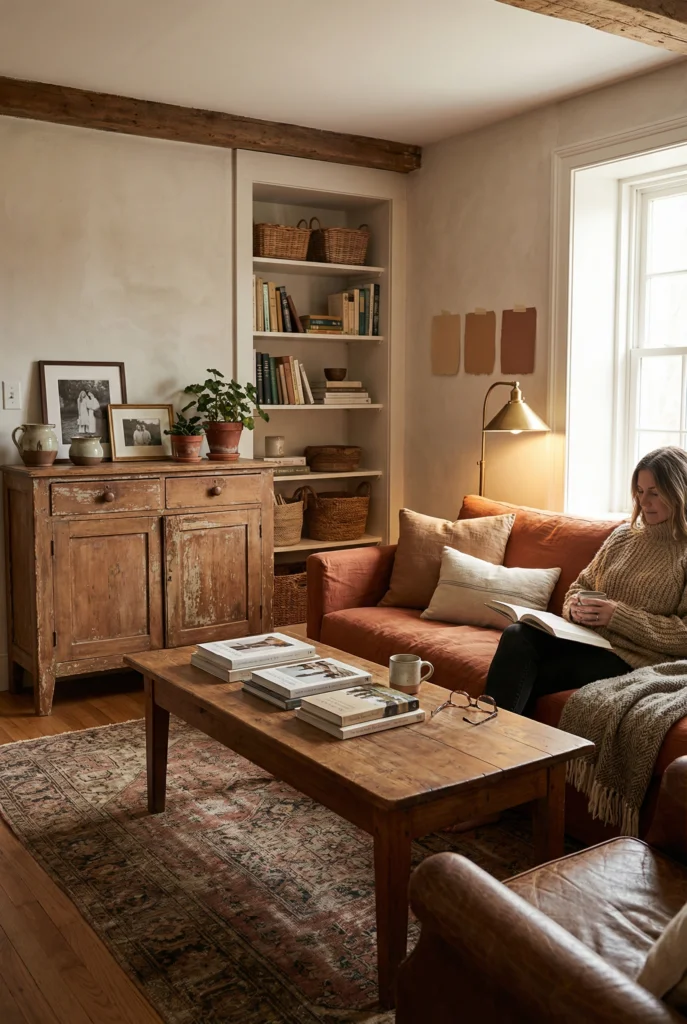
That is one reason vintage furniture is becoming popular again. Older pieces can add character, history, and depth to a room while giving the space a more personal appearance.
Soft Tech Integration: Technology That Blends In
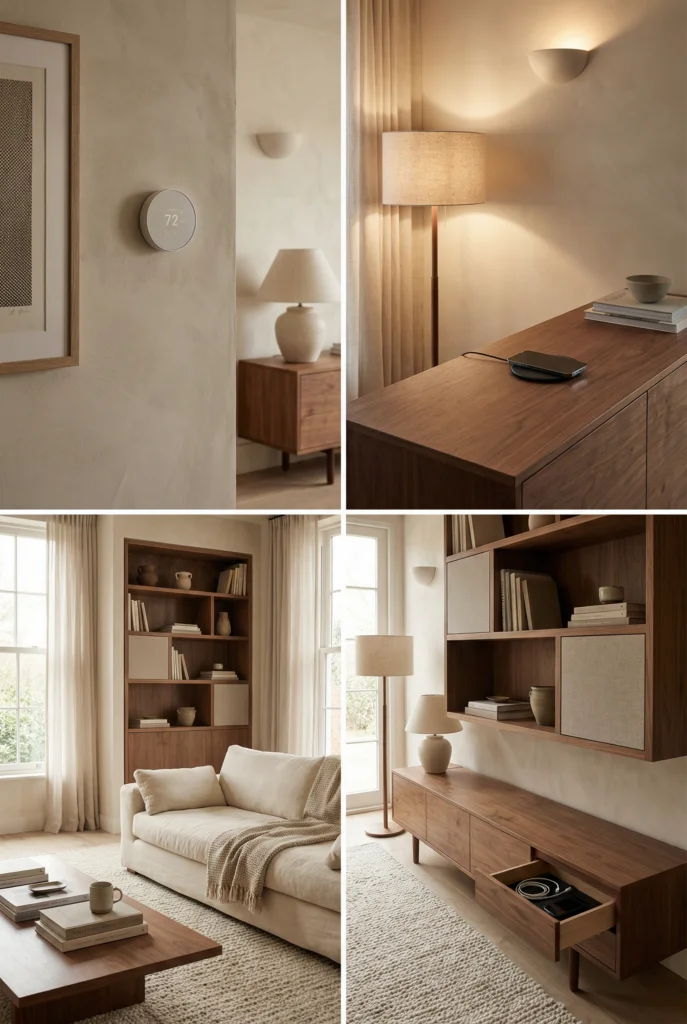
In 2026, smart-home technology does not need to dominate the room. Instead, the goal is to use technology that makes everyday life easier without taking away from the appearance of the space.
Some examples include:
- Lights that automatically dim in the evening
- Thermostats that are simple to control
- Speakers that blend into shelves and furniture
- Hidden charging stations
- Fewer visible cables and wires
The best version of this trend is technology that works quietly in the background.
Try It 3 Ways
$0–$50: Use plug-in timers with lamps in the living room.
$200–$800: Replace a harsh overhead light with a softer, dimmable fixture.
During a renovation: Add outlets inside drawers or create a hidden charging station in the entryway.
What It Looks Like in a Real Home
- Entryway: Hidden power strip, tray, and lamp timer
- Bedroom: Dimmable bedside lamps and hidden chargers
- Living room: Speaker placed discreetly on a shelf instead of the coffee table
Common mistake: Buying smart devices that make your routine more complicated.
Quick fix: Start with simple lamp timers before adding more technology.
Organic Luxury: Natural Materials and Softer Shapes
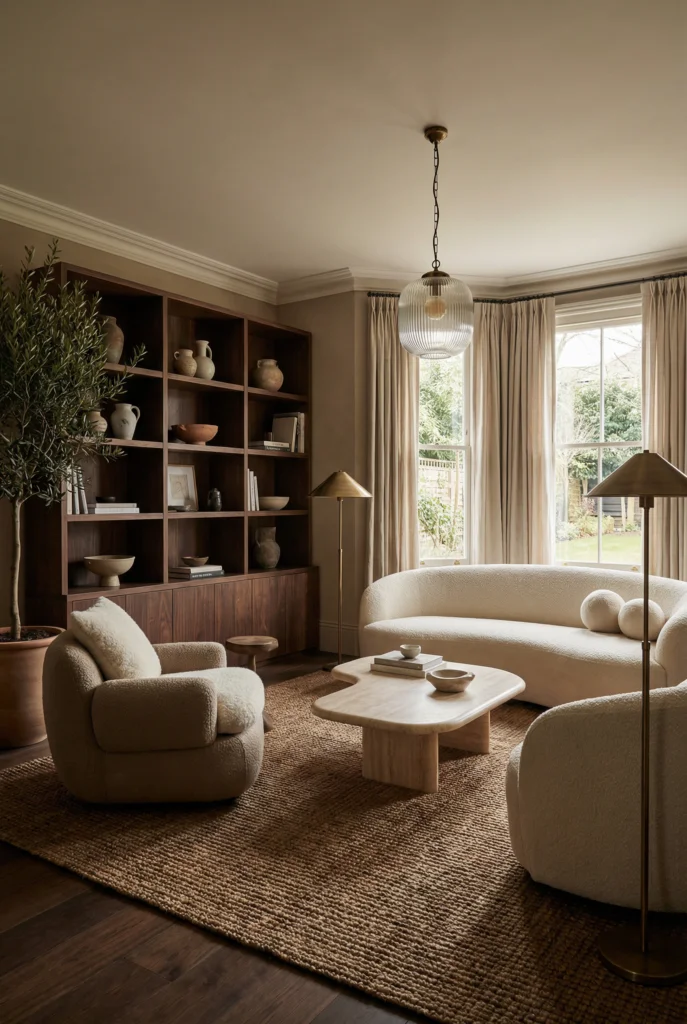
Natural materials are becoming a major part of luxury interiors in 2026. Wood, stone, wool, clay, and natural textures can make a room feel warmer and more relaxed.
Dark wood is also making a strong comeback because it can instantly make a space feel grounded and sophisticated.
Curved and sculptural furniture is another important trend. People are choosing sofas and chairs that are not only attractive but genuinely comfortable.
Rippled glass, rounded edges, imperfect ceramics, and other tactile details also fit perfectly into this style.
In 2026, materials that become more beautiful with age are winning.
Try It 3 Ways
$0–$50: Place a wooden or clay decorative object somewhere you can enjoy it every day.
$200–$800: Add a dark wood coffee table or a wool rug.
During a renovation: Consider natural-stone-inspired countertops or a textured backsplash.
What It Looks Like in a Real Home
- Living room: Dark wood table, textured throw, and rounded chair
- Kitchen: Wooden cutting boards displayed instead of hidden away
- Bedroom: Linen bedding and a chunky ceramic lamp base
Common mistake: Adding several natural textures without enough warmth.
Quick fix: Introduce a warm wood tone or warm metal accent.
Hyper-Personalized Interiors: Make Your Home Feel Like You
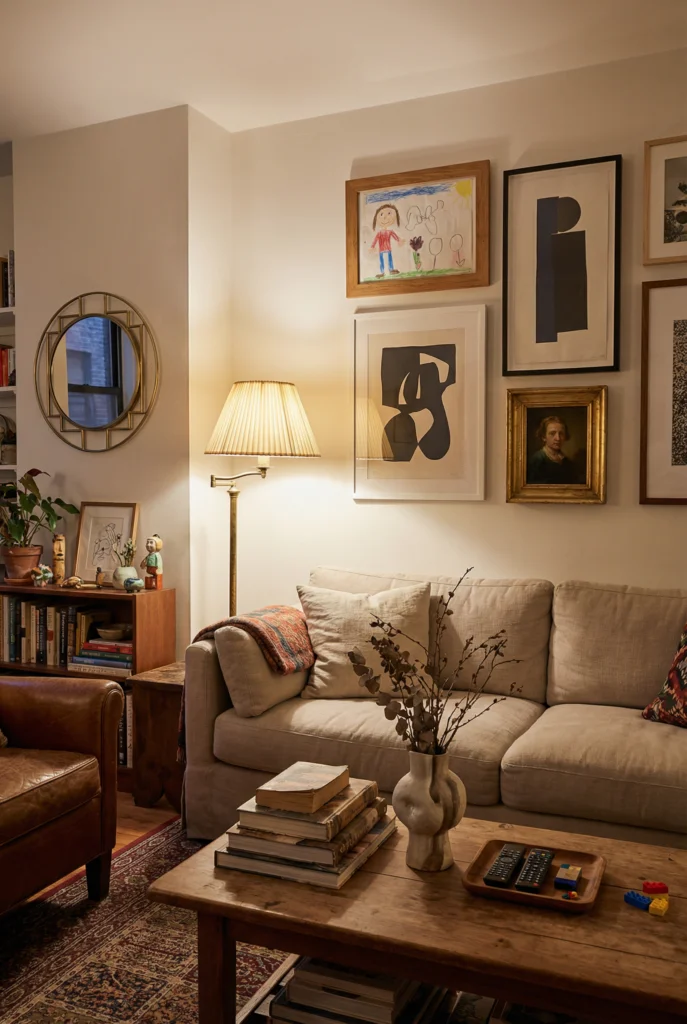
In 2026, copy-and-paste interiors are starting to feel less appealing. The most interesting homes are those that clearly reflect the personality of the people who live in them.
Your home can include objects that are unusual, sentimental, or meaningful to you. They do not have to match everything else perfectly.
For example:
- A thrifted brass lamp beside a modern sofa
- A child’s drawing displayed in a frame
- A gallery wall filled with meaningful artwork
- A unique decorative object with its own story
There is also a subtle influence from the Art Deco revival, but it is being used casually rather than as an entire theme. One geometric mirror or a scalloped detail can be enough.
The key is to mix different styles in a way that feels natural and personal.
Try It 3 Ways
$0–$50: Frame something meaningful and display it instead of leaving it in storage.
$200–$800: Choose one statement vintage piece for the living room.
During a renovation: Create a display niche or wall ledge for your favorite collected pieces.
What It Looks Like in a Real Home
- Entryway: Key bowl and an unusual art print
- Living room: Mixed metals, layered artwork, and a thrifted piece
- Bedroom: Personal photographs and intentionally mismatched nightstands
Common mistake: Adding random clutter in an attempt to make the room feel personal.
Quick fix: Choose one type of collection and give it a dedicated place.
Color Psychology: Choosing Colors for the Mood
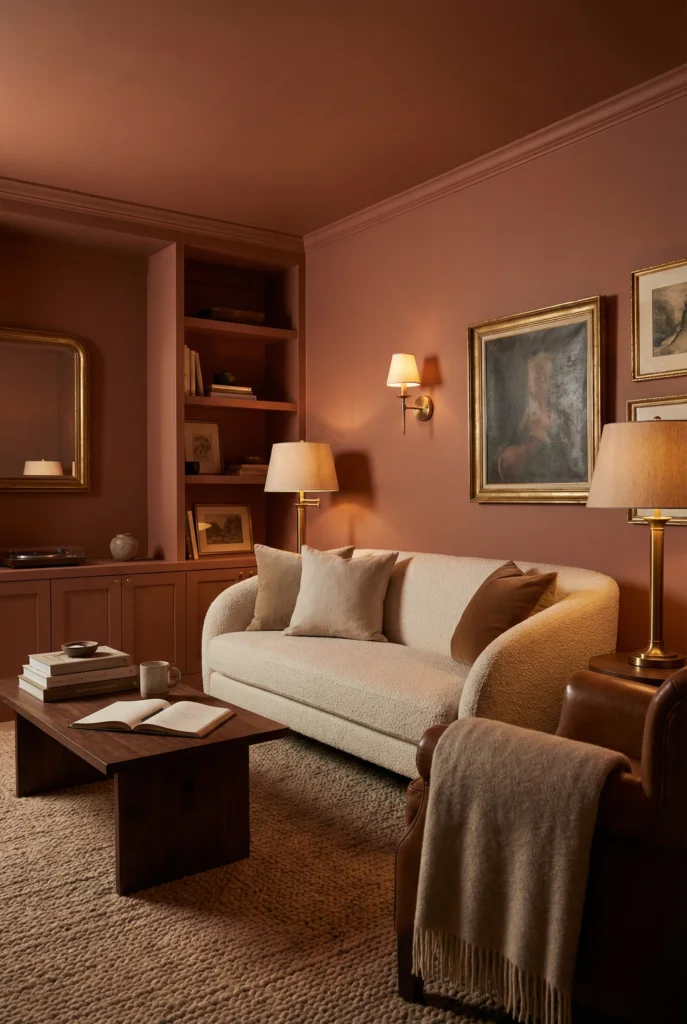
In 2026, colors are being chosen for more than their appearance in photographs. People are paying attention to how a color makes a room feel.
If you want a calm atmosphere, choose soft and balanced tones. If you want more energy, use brighter shades, but select colors that genuinely fit your personality.
The trend is not about using more color. It is about committing to the colors you choose.
Color drenching is part of this movement. It involves using coordinated colors across walls, trim, and sometimes the ceiling to create a more cohesive and calming space.
Moody color palettes are also continuing to appear in bedrooms, dens, and powder rooms where a cozy atmosphere is especially welcome.
If you are using dark colors, keep these ideas in mind:
- Choose warm, soft lighting
- Add brass or other warm metals
- Include at least one lighter element
- Layer different textures
Wallpaper is also moving beyond the traditional statement wall. Soft murals, subtle geometric patterns, and textured designs can create a more collected and lived-in appearance.
Try It 3 Ways
$0–$50: Switch to warmer bulbs and add a pillow or lampshade in a soft color.
$200–$800: Paint a small room or hallway in a confident warm shade.
During a renovation: Use coordinated colors across the walls, trim, and ceiling.
What It Looks Like in a Real Home
- Living room: Warm bulbs, two lamps, and deep-toned cushions
- Bedroom: Moody paint, brass lamp, and light bedding
- Entryway: Wallpaper, warm runner, and a small lamp
Common mistake: Choosing a bold paint color while ignoring the lighting.
Quick fix: Make the lighting warm first, then choose your paint color.
Multi-Functional Rooms: One Room, Multiple Jobs
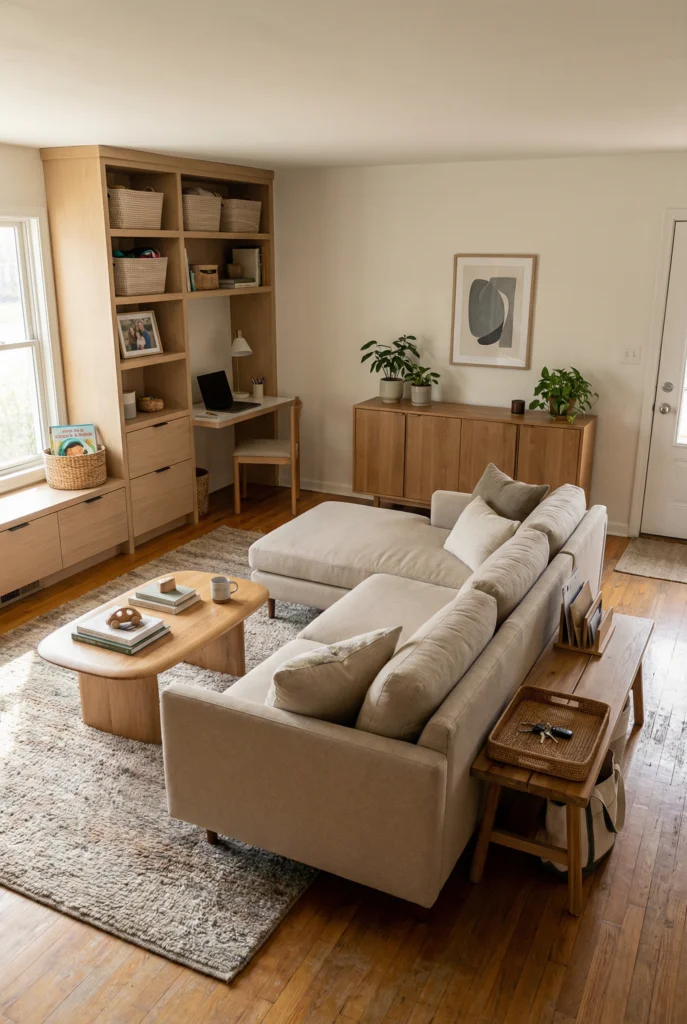
Multi-functional rooms are becoming essential in 2026. Not every home has an extra room for an office, playroom, movie area, or dining space.
As a result, homeowners are designing rooms that can perform several functions without becoming overwhelming.
A single living room might serve as a:
- Family room
- Movie area
- Workspace
- Play zone
- Dining space
The goal is to create a room that can quickly return to normal after being used.
Practical storage is therefore becoming more important, including:
- Easy-to-open drawers
- Accessible baskets
- Closed storage
- Entryway drop zones
- Dedicated spaces for everyday items
Family-friendly design is also becoming more practical, with performance fabrics, rounded corners, and easy-to-clean rugs becoming useful choices.
Try It 3 Ways
$0–$50: Place a basket beside the sofa for everyday items.
$200–$800: Add a closed storage credenza for toys, cords, and other clutter.
During a renovation: Build storage into a banquette in the kitchen or dining area.
What It Looks Like in a Real Home
- Living room: Storage ottoman, tray, and basket for remote controls
- Kitchen: Hooks, catchall bowl, and bin for school papers
- Bedroom: Storage bench and a properly sized hamper
Common mistake: Buying storage that is difficult to use.
Quick fix: Start with simple open storage and improve it later if needed.
The Return of Warm and Cozy Spaces
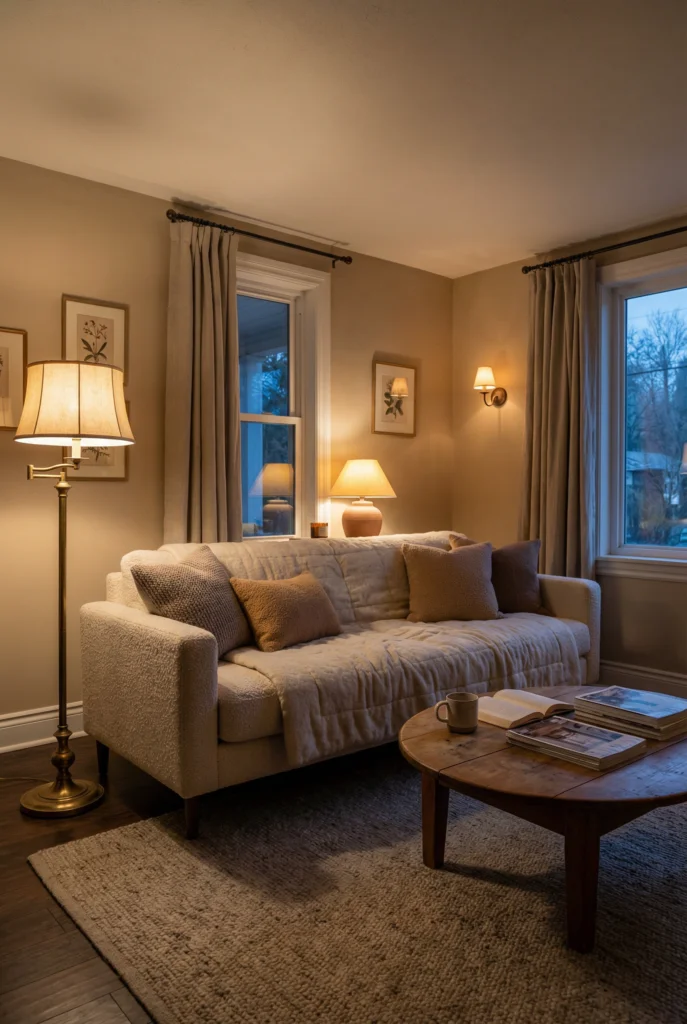
In 2026, cold, shiny, overly polished interiors are giving way to warmer and more comfortable spaces.
This trend focuses on soft lighting, warm colors, comfortable fabrics, and layered textures.
Cozy is not simply a decorating style; it is the feeling your home gives you.
Instead of relying on one overhead light, use several light sources throughout the room. Warm bulbs, table lamps, and dimmers can instantly make a space feel more inviting.
Then add texture through:
- Knitted throws
- Textured cushions
- Nubby upholstery
- Soft quilts
- Layered bedding
Try It 3 Ways
$0–$50: Change one bulb to a warmer option and add a thrifted lampshade.
$200–$800: Replace a harsh overhead fixture and add another lamp.
During a renovation: Include layered lighting, sconces, and dimmers.
What It Looks Like in a Real Home
- Living room: Two lamps, warm bulbs, and a chunky throw
- Bedroom: Soft bedside lamps, textured bedding, and a dimmer
- Entryway: Small lamp, runner rug, and practical hooks
Common mistake: Assuming beige paint alone will make a room cozy.
Quick fix: Start with lighting, then add texture and color.
Vintage and Slow Design: Fewer Things, Better Choices
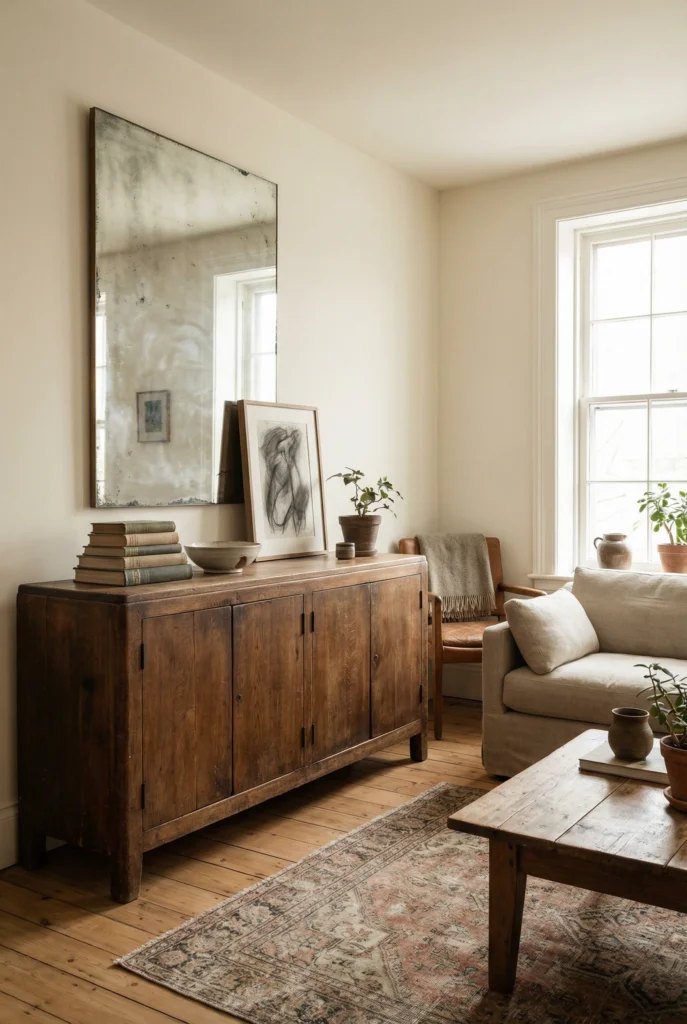
Vintage and slow design are becoming more than temporary decorating trends in 2026. They represent a more thoughtful approach to furnishing a home.
Instead of constantly buying new items, the focus is shifting toward choosing fewer pieces that are well-made, durable, and meaningful.
Vintage furniture can add character and depth to a space, while secondhand pieces often bring a sense of personality that is difficult to recreate with brand-new products.
This approach can also help reduce unnecessary shopping while creating a home that feels more individual.
One of the best luxury trends of 2026 may simply be choosing pieces that look good today and can remain part of your home for years to come.