
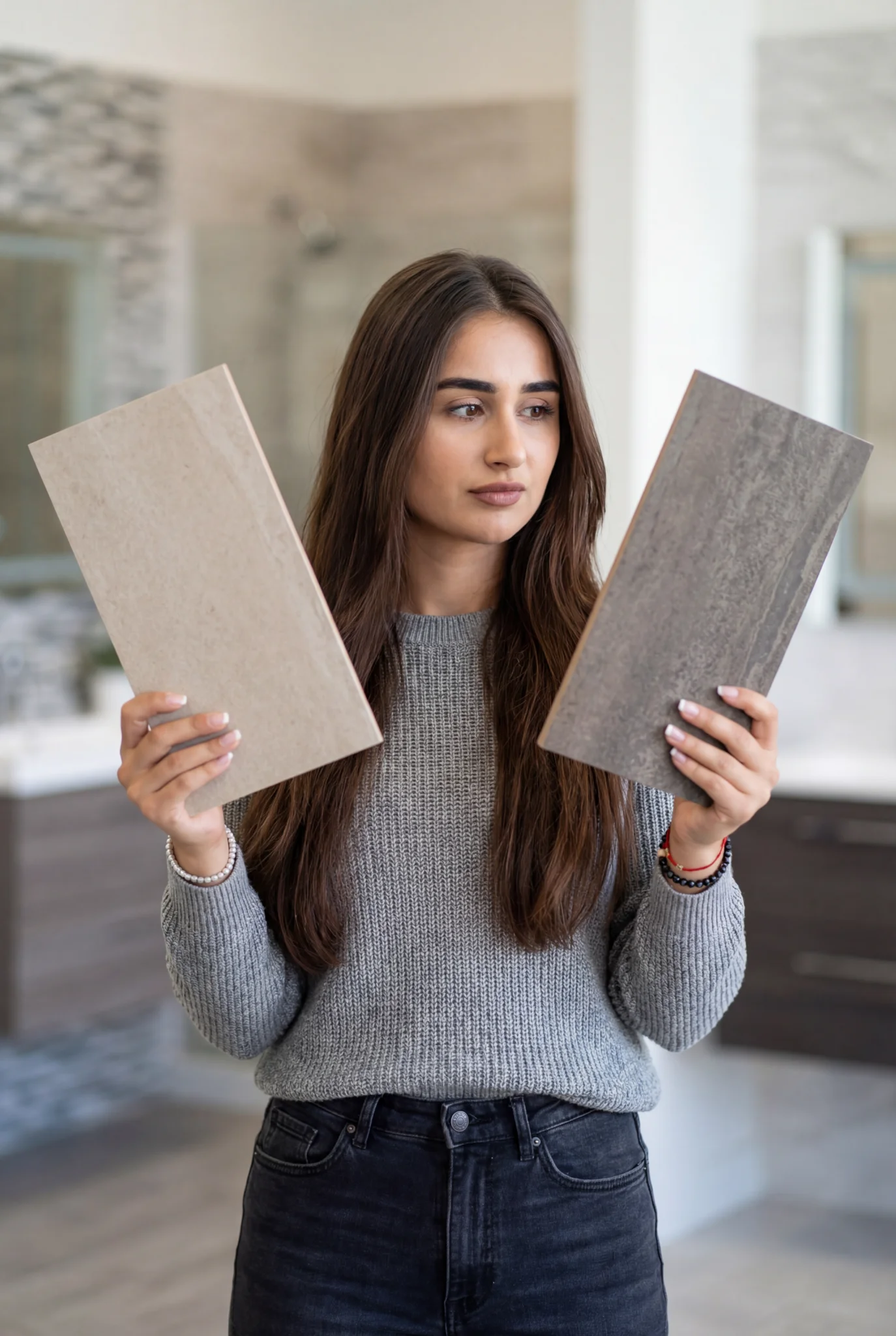
Bathroom tiles can look like a simple design choice until you realize how much they affect your everyday routine. You walk on them with wet feet, clean them regularly, see them under different lighting, and live with them for years. That makes choosing the right bathroom tiles less about following a trend and more about finding a combination that works beautifully in real life.
This guide focuses on the decisions that matter most, from tile placement and material to safety, maintenance, color, grout, layout, and overall bathroom style. The goal is to help you choose bathroom tiles that look good while also being practical, durable, and comfortable to live with.
How to Choose Bathroom Tiles
I like to begin with a realistic situation.
You are standing inside a tile showroom or browsing hundreds of options online. You have already narrowed your choices down to several tiles that look beautiful. Then the doubt starts: Will I still like this bathroom six months from now? Will it be difficult to clean? Will the floor become slippery? Will the color look completely different in my bathroom?
Those are reasonable questions.
Bathroom tile is a long-term decision. It affects cleaning, comfort, safety, visual balance, and the overall character of the room. Instead of choosing based entirely on a beautiful photograph or the latest trend, start with the practical requirements of the space.
Tile Placement Cheat Sheet (Screenshot this and thank yourself later)
Before getting caught up in patterns, colors, and decorative details, decide which type of tile works best for each area.
Shower floor tiles: Small matte or textured porcelain mosaics, generally around 2 inches or smaller, provide additional grout joints and useful traction.
Shower wall tiles: Porcelain or ceramic work well, and satin or glossy finishes can be attractive. Larger formats can create a cleaner appearance.
Main bathroom floor: Matte or textured porcelain is a dependable option. Medium or large formats can work depending on how flat the floor is.
Backsplash or niche: Ceramic, porcelain, glass accents, and decorative mosaics can add personality without covering the entire room.
The placement matters because different parts of the bathroom experience water, moisture, cleaning, and foot traffic differently.
Tile Placement Cheat Sheet (Screenshot this and thank yourself later)
Before getting caught up in patterns, colors, and decorative details, decide which type of tile works best for each area.
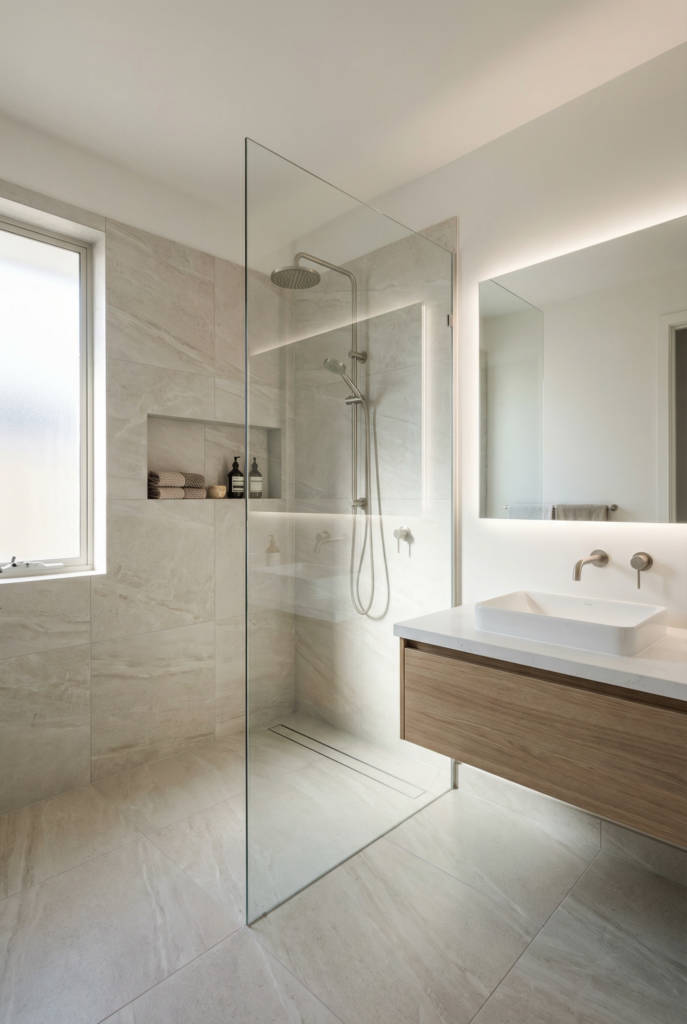
If someone told me I had to recommend one tile for most bathrooms without knowing the person, their lifestyle, or their patience level, it would be porcelain.
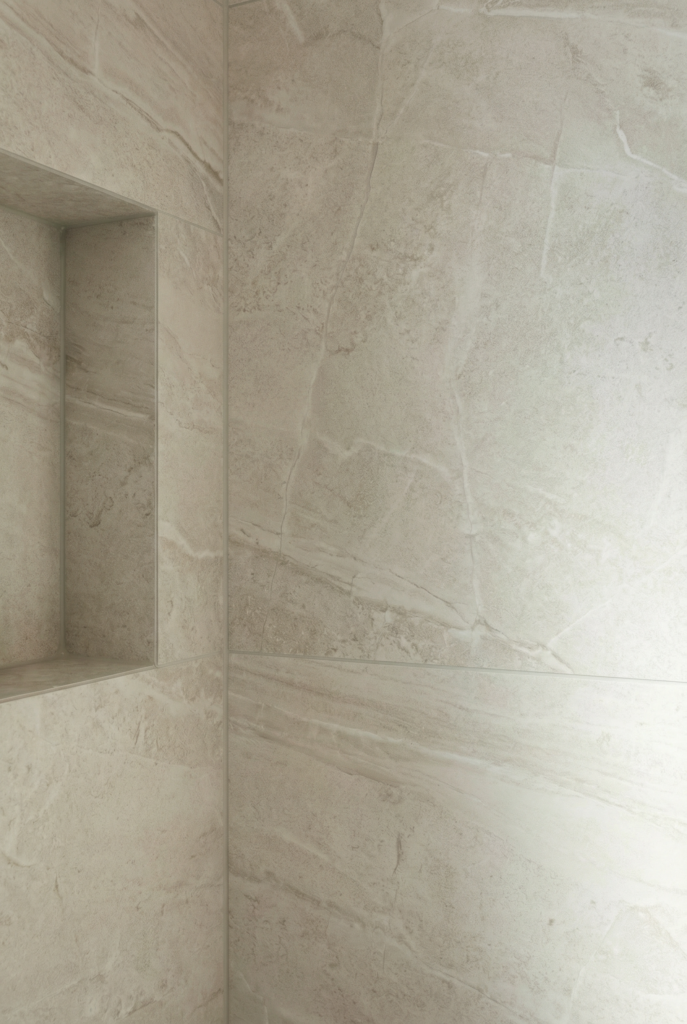
Ceramic Tile (Budget-Friendly, With Boundaries)
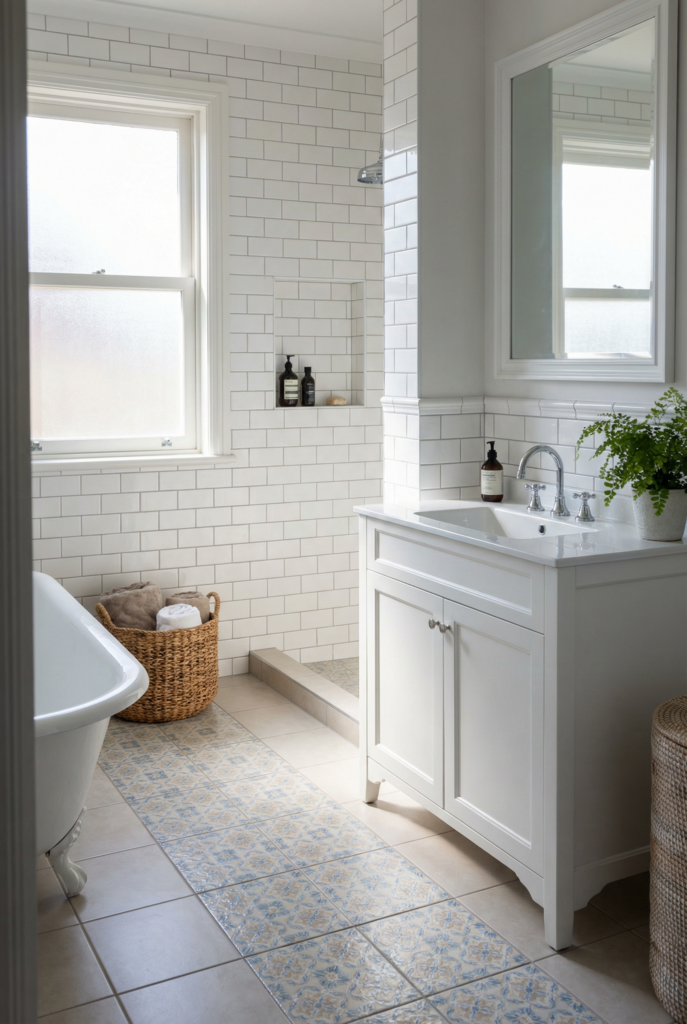
Ceramic is often lumped together with porcelain, but they are not interchangeable.
Ceramic can absolutely be used on floors, but the key is whether it’s rated for floor use and whether your bathroom is a gentle little adult spa or a chaotic splash zone.
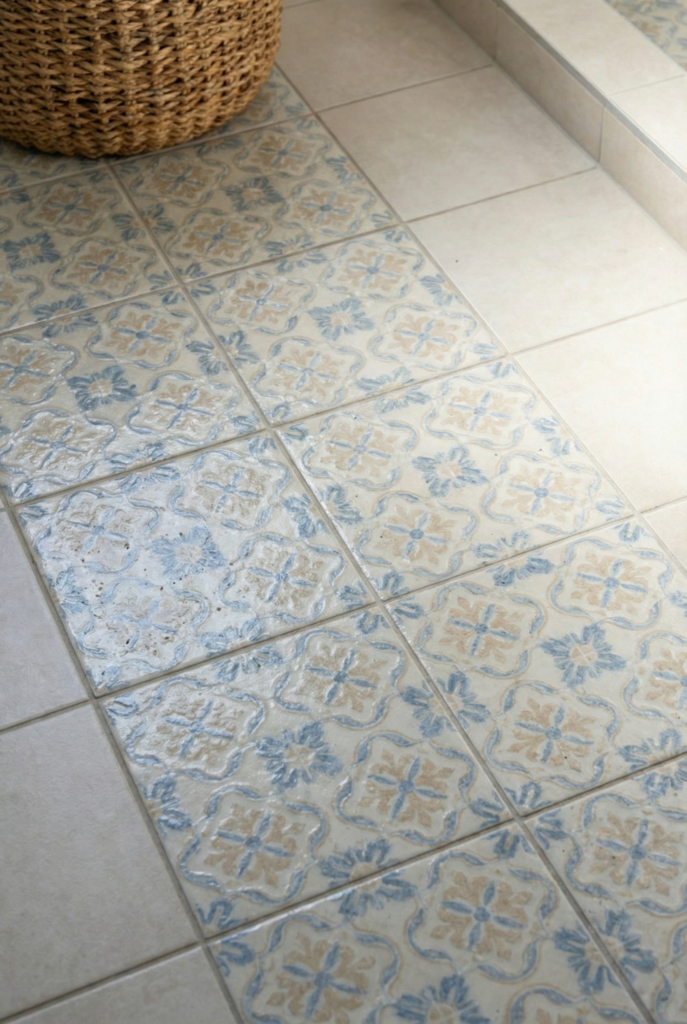
Natural Stone Tiles (Marble, Limestone, Slate)
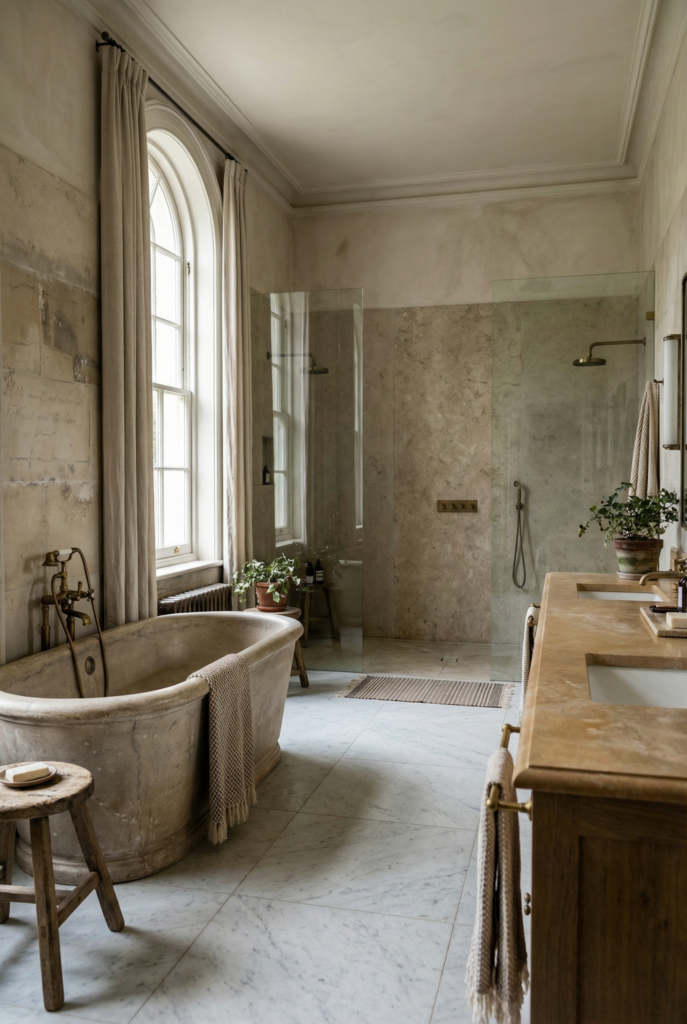
Stone is beautiful. It’s also honest. It will show wear. It will react to water and cleaning products. It will age whether you want it to or not.
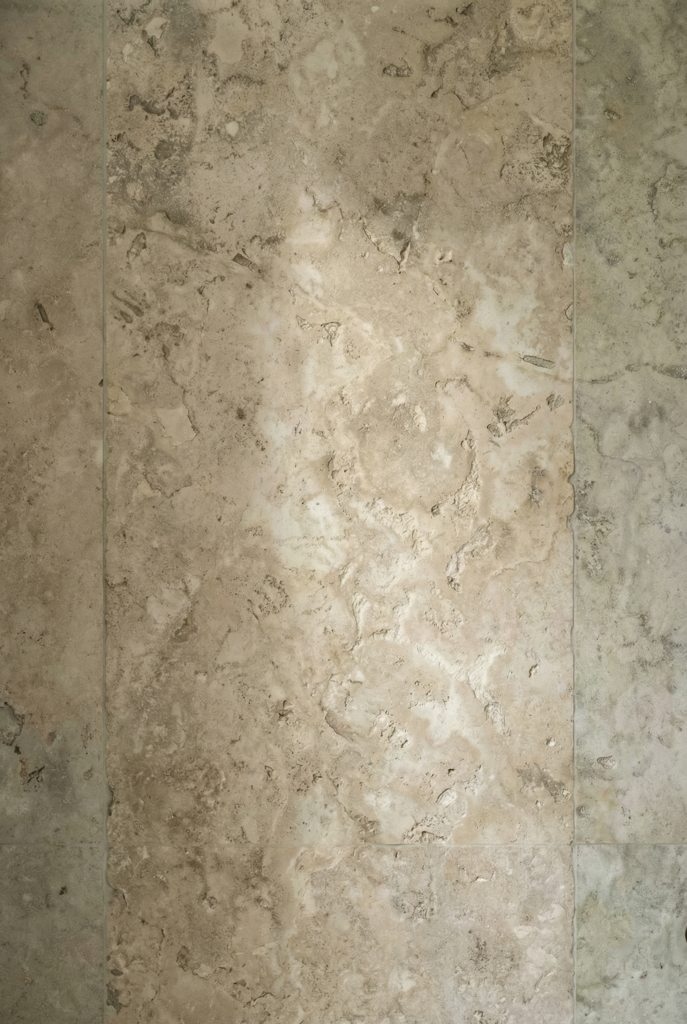
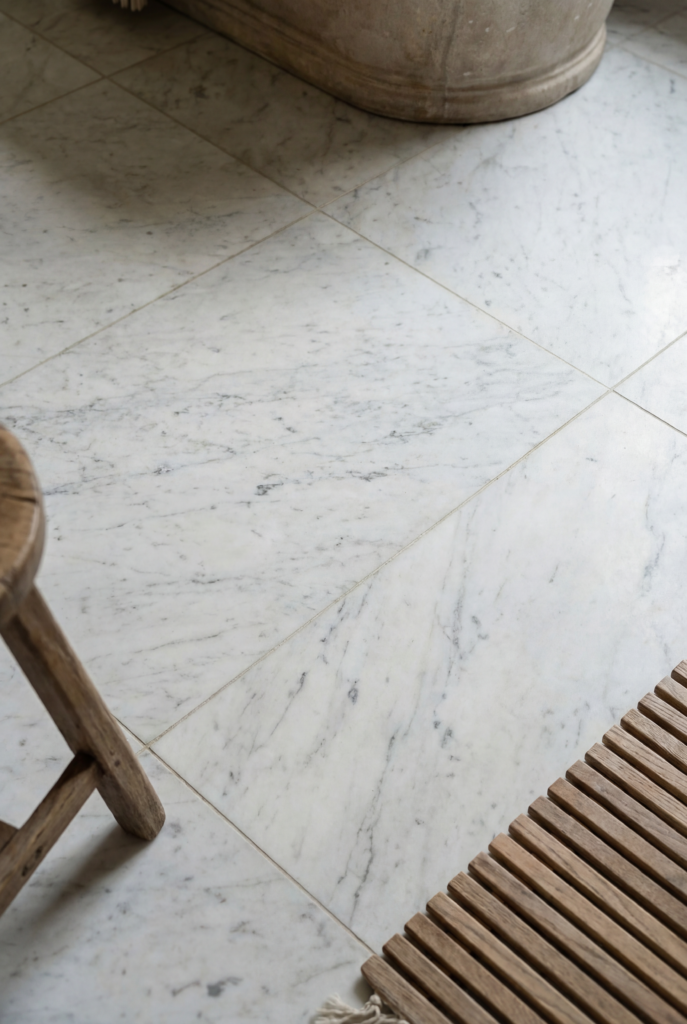
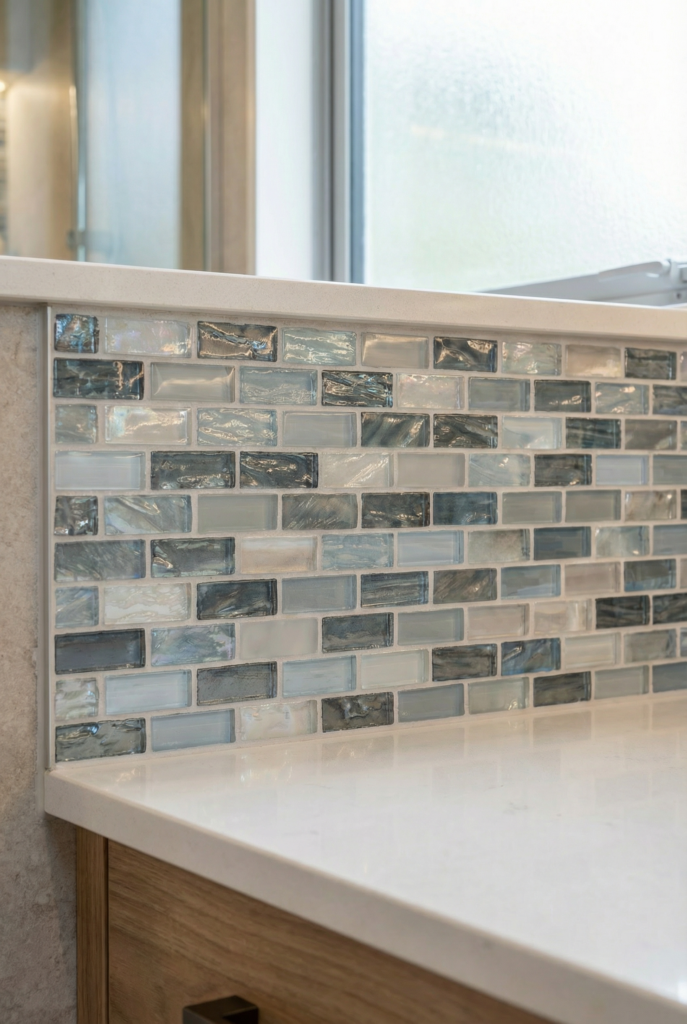
Glass Tile and Mosaic Tile
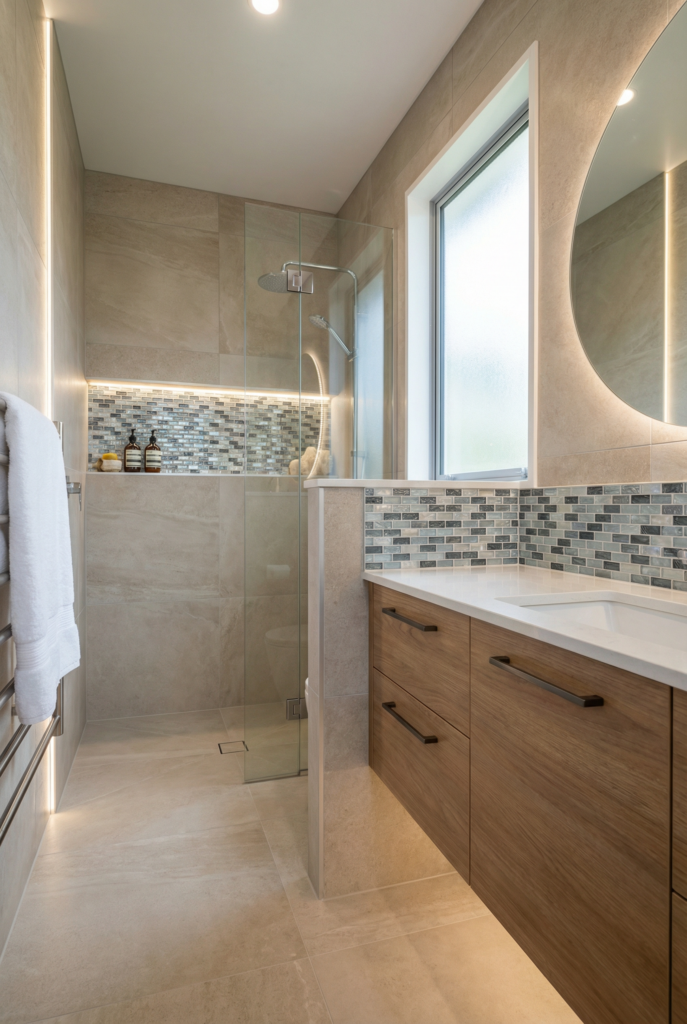
This category looks more practical than it is. It’s the “jewelry” of your bathroom, not the jeans you wear every day.
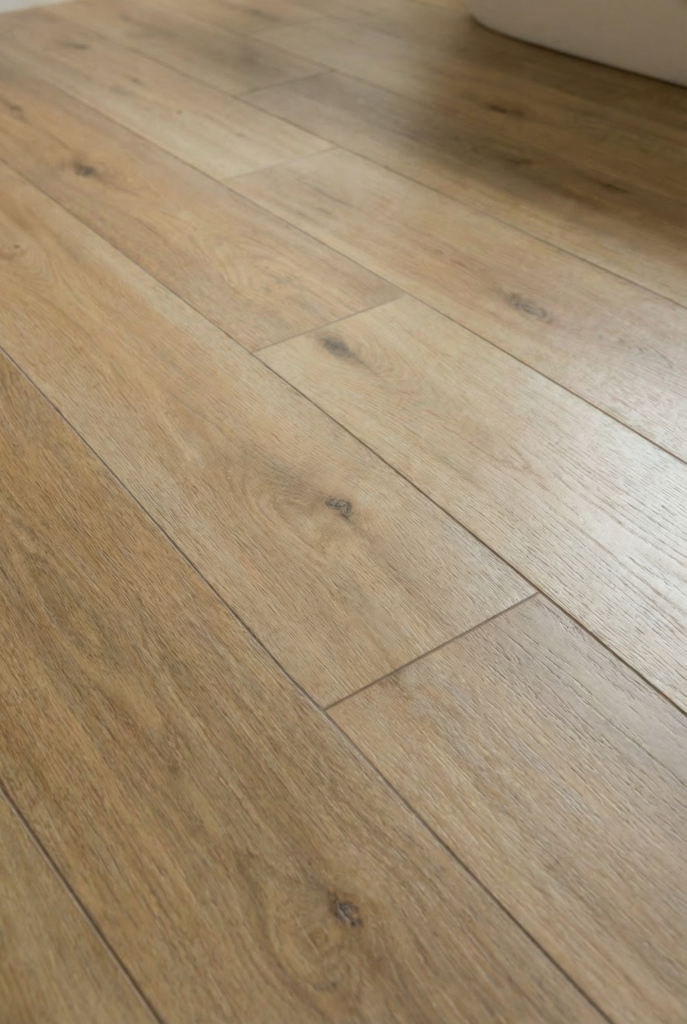
Wood-Look Porcelain
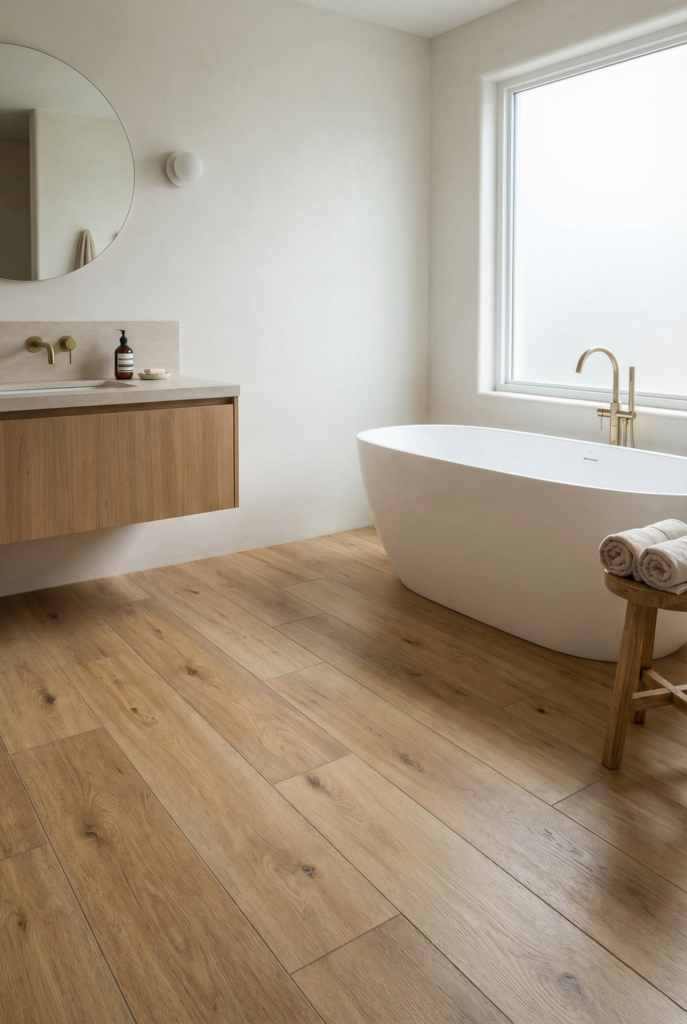
This is one of my favorite modern inventions because it solves the “I want warmth but I’m scared of water” problem.
Waterproofing Clarification (This is the part that keeps you from a future leak spiral)
This is quick but important.
Tile and grout aren’t waterproof. The system behind them is.
In a shower, you’re paying for a waterproofing method under and behind the tile, and that’s what prevents water from creeping into your walls and subfloor.
Ask your installer what waterproofing method is being used in the shower. If the answer is vague, keep asking. This is one of those “trust but verify” moments.
Slip Resistance and Practicality (Unsexy, Non-Negotiable)
Floors and Shower Floors
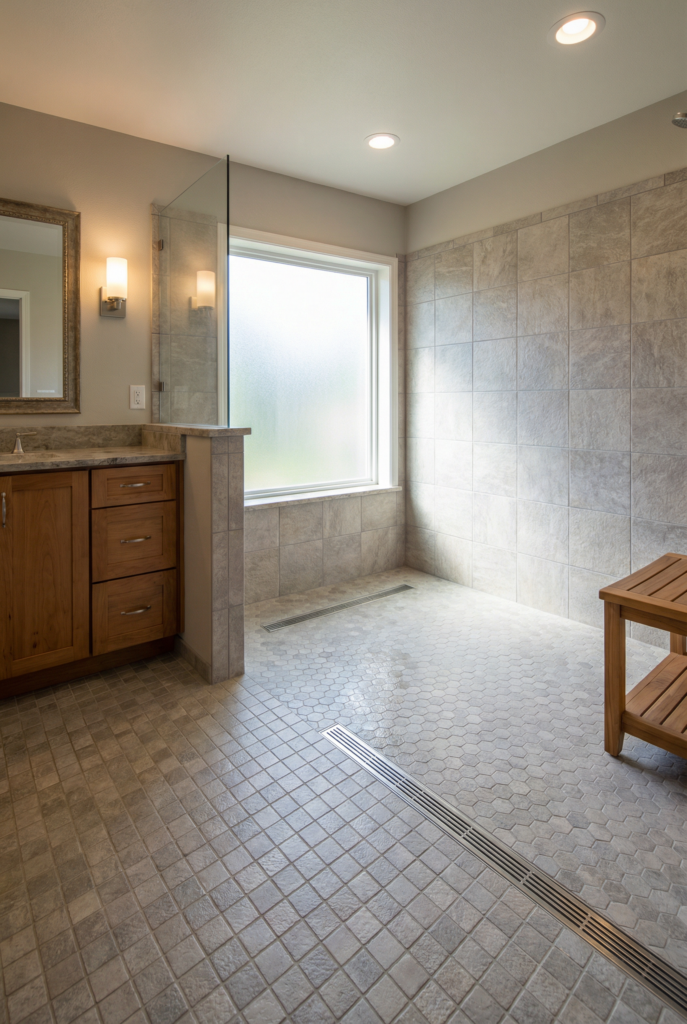
For floors, especially shower floors, choose:
- matte finish tiles
- textured porcelain tiles
- smaller formats that allow more grout lines
Grout adds traction. This is one of the few times more grout is actually your friend.
And yes, I’m saying “smaller tile” while also later telling you “more grout is more maintenance.” Both things are true. Welcome to bathrooms.
Walls
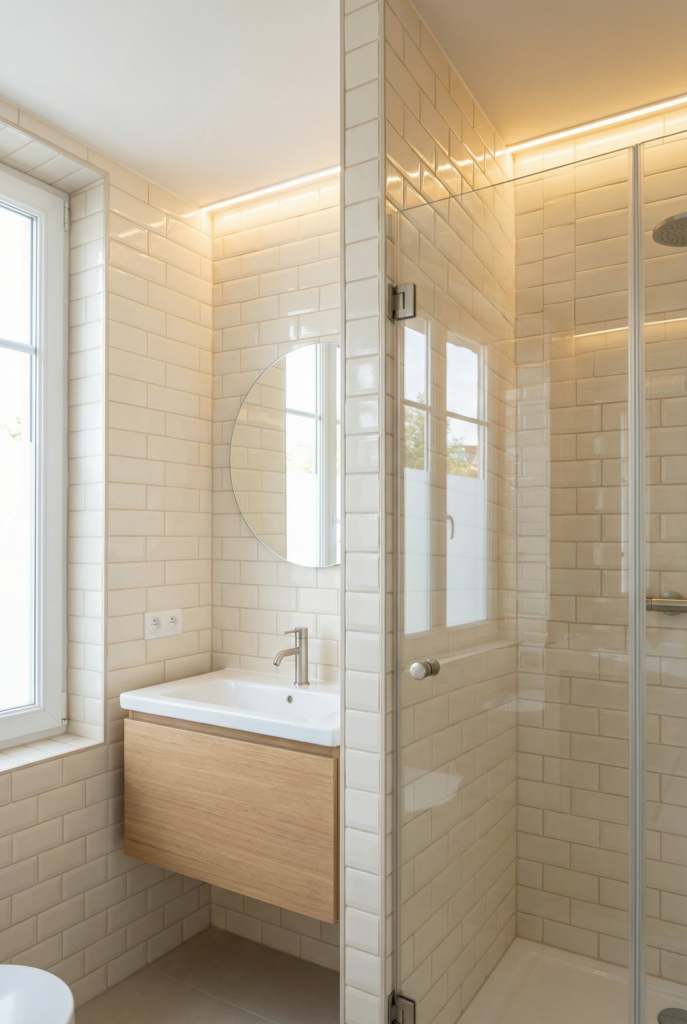
Pattern and Layout (Where Good Tile Choices Fall Apart)
You can pick the perfect tile and still hate the result if the layout is wrong. Layout is one of those invisible decisions that makes a bathroom feel expensive or accidentally chaotic.
The 1/3 Offset Rule
Many rectangular tiles are slightly bowed due to the manufacturing process. When you install them in a 50% offset pattern, the highest points meet and create lippage, which is that annoying uneven edge you feel with your bare foot and then you can never un-feel it.
A 1/3 offset reduces that risk and creates a calmer visual rhythm. It’s not just about “what looks modern.” It’s about not fighting tile physics.
Why 50% Offset Is Often Discouraged
It’s not banned. It’s just risky. Especially with large-format tiles. Unless your subfloor is very flat and your tiles are very consistent, you can end up with more lippage and more visual wobble.
The frustrating part is you won’t always notice it in the first photo. You’ll notice it when light hits it sideways, or when you clean and the edges catch your sponge, or when you step out of the shower half-asleep and your foot finds a ledge.
Large-Format Tiles
Large-format tiles reduce grout lines and can make a space feel bigger and cleaner. They also demand a flatter subfloor. Prep matters more than ever here.
This is why people choose large tiles to “avoid grout” and then get shocked by the install quote. The floor has to be prepped to a tighter tolerance. That’s time. Time is money.
Color Selection (This Is Emotional, Not Just Visual)
Color is where people get seduced. And I get it. Color is fun. Color is identity. Color is how you want the room to feel.
But it’s also the easiest place to make a decision that looks great for three months and then starts to feel “off” in a way you can’t name.
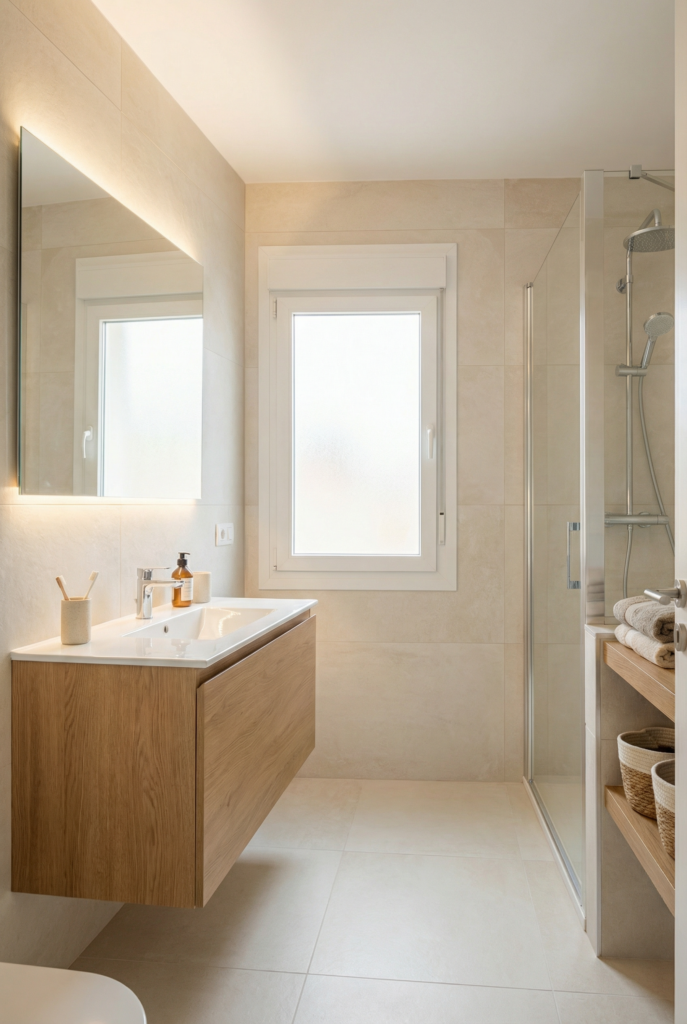
Light tiles make bathrooms feel larger and brighter. They tend to be forgiving with dust, especially if they’re warm-toned.
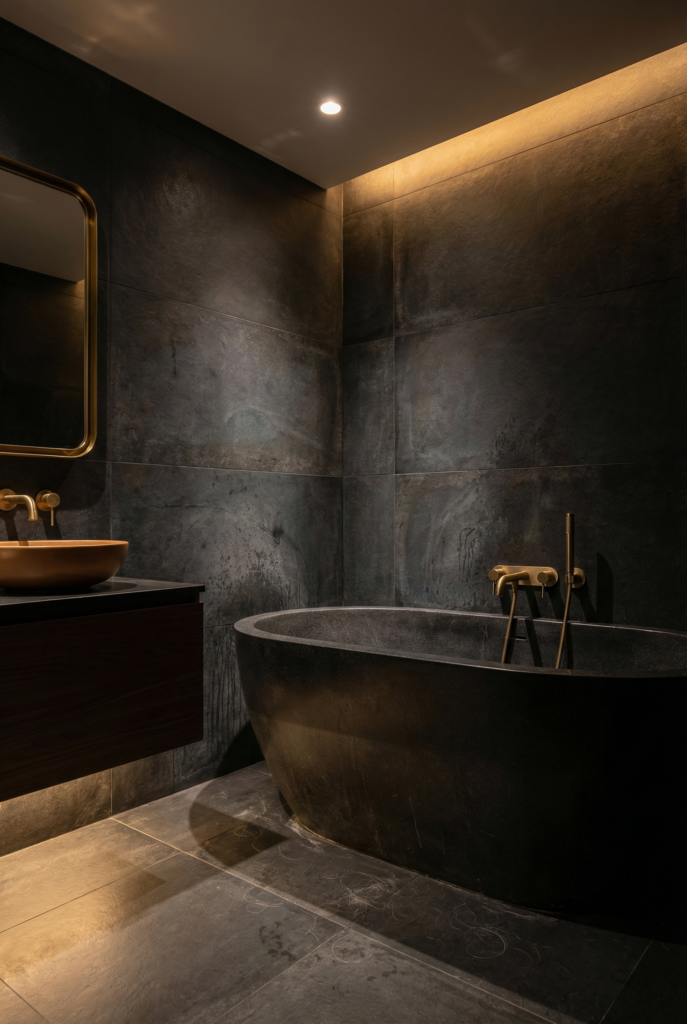
Dark tiles feel moody and dramatic, but they can show water spots, hair, and soap residue more clearly. That doesn’t mean dark is bad. It means dark is honest.
Lighting changes everything: should always be considered before making the final decision. A cool-toned bathroom with limited natural light can feel colder, while warm lighting can soften neutral shades.
Grout can also completely change the appearance of a tile. Bright white grout creates a crisp effect, warm gray produces a softer appearance, and charcoal grout creates a stronger graphic contrast.
Timeless Palettes
Warm whites, soft beiges, cream tones, and stone-inspired neutrals tend to provide flexibility over time.
These shades can work with changing bathroom hardware, towels, artwork, storage accessories, and decorative elements.
A neutral tile also gives you more freedom to refresh the room later without replacing the entire surface.
Trend Colors
Green, clay, charcoal, and greige can create beautiful contemporary bathrooms.
The important consideration is how much of the room is devoted to a trend color. Using a strong color as an accent can provide personality while keeping the main surfaces more adaptable.
Cool gray can sometimes make a bathroom feel sterile when it is combined with equally cool lighting and finishes. Warm wood tones, brass hardware, or warmer lighting can introduce balance.
Matching Tiles to Decor Style (Practical Recipes)
Choosing tile according to the overall decorating style can make the room feel cohesive rather than randomly assembled.
These combinations provide straightforward starting points for different bathroom aesthetics.
Modern

For a modern bathroom, large-format porcelain can create a clean foundation. Concrete-look or soft stone-look flooring works well with simple porcelain wall tile.
Matte flooring combined with satin or glossy wall surfaces creates useful contrast.
A common mistake is combining too many competing patterns, especially when the vanity, lighting, or hardware already provides a strong visual feature.
Minimal

Minimal bathrooms benefit from restraint.
A large-format matte porcelain floor in a warm light neutral can create a calm foundation. Stacked rectangular wall tiles with low-contrast grout keep the design simple.
Matte or honed finishes support the understated character.
High-contrast grout throughout the entire bathroom can introduce a strong grid effect, which may work against a softer minimalist design.
Spa or Japandi

A spa or Japandi-inspired bathroom often works beautifully with warm materials and subtle texture.
Wood-look porcelain flooring in a medium warm tone can provide the appearance of natural timber, while warm stone-look porcelain or softly textured off-white wall tile adds depth.
Soft matte finishes help maintain the calm atmosphere.
Using glossy surfaces everywhere can make the space feel overly shiny rather than peaceful and natural.
Classic

Classic bathrooms can rely on familiar shapes and timeless materials.
Small-format hexagonal porcelain or marble-look porcelain works well for flooring, while simple subway tile provides a traditional wall treatment.
Satin or gloss can work beautifully on walls, while matte surfaces are often more practical underfoot.
A very specific trend color as the dominant tile can reduce the longevity of an otherwise classic design.
Farmhouse
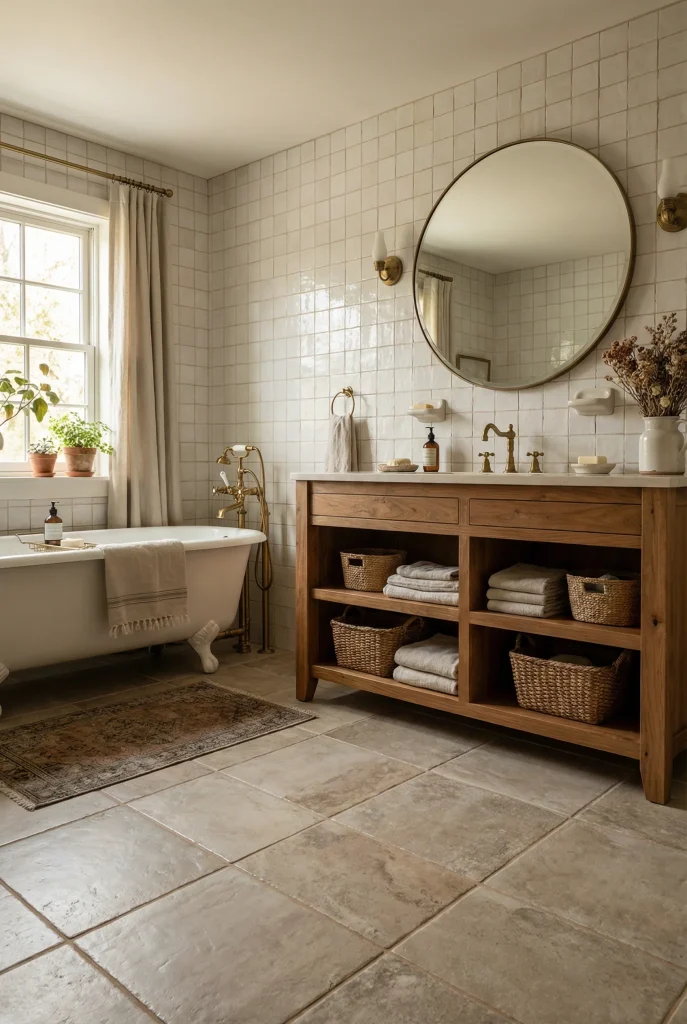
Farmhouse bathrooms benefit from natural-looking textures and warm neutrals.
Stone-look porcelain with subtle variation can create a relaxed floor, while handmade-look ceramic with warm grout adds character to the walls.
Matte and satin finishes work particularly well with this style.
Combining extremely perfect-looking tile with stark black grout and harsh lighting can make the room feel overly staged rather than naturally comfortable.
Luxury Hotel

For a luxury hotel-inspired bathroom, large-format porcelain can create a dramatic and seamless appearance.
Stone-look flooring paired with large, simple wall tile provides an upscale foundation. Polished wall surfaces can add shine, while matte flooring provides a more practical contrast.
The most effective luxury bathrooms often allow one tile to become the main statement and keep the remaining surfaces supportive.
Small Bathrooms

Small bathrooms can benefit from light-colored porcelain, carefully selected large formats, and a clean visual layout.
Depending on the floor and traction requirements, medium-format matte porcelain can offer a useful balance between fewer grout lines and practical maintenance.
Light wall tile with subtle texture or sheen can help reflect available light.
Strong dark grout used everywhere with light tile can visually divide the room into a grid, making the space feel busier.
Tile vs LVP vs Laminate in Bathrooms (Because People Ask, and It’s Fair)
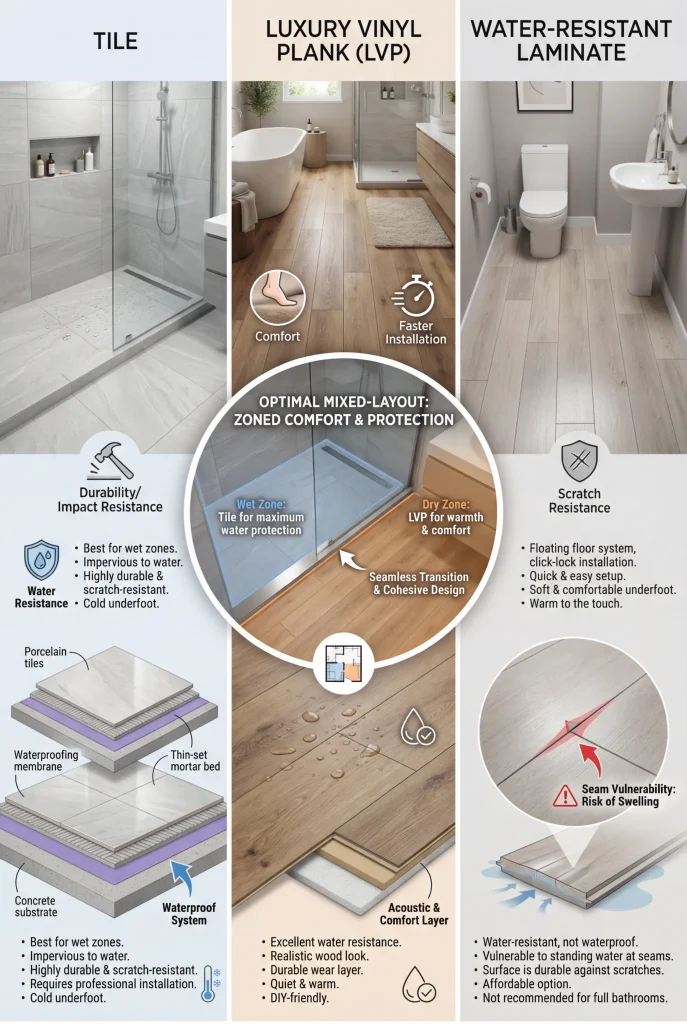
Not every bathroom needs the same flooring throughout the entire room. Tile, luxury vinyl plank, and water-resistant laminate each have different strengths.
Tile: A strong choice for wet zones and shower areas when installed with an appropriate waterproofing system. It offers durability and can handle moisture well. The trade-offs include a harder, cooler surface and potentially more involved installation.
Luxury vinyl plank: Can be a comfortable option for main bathroom floors outside the shower. It provides a warmer feel underfoot and can offer a faster installation. Water resistance depends on the specific product and installation, so seams and edges matter.
Water-resistant laminate: Can be suitable for powder rooms or lower-splash environments, but it generally carries greater risk in consistently wet areas. Water-resistant does not necessarily mean waterproof, and moisture entering seams can eventually cause damage.
A practical bathroom can combine different flooring materials according to where water is most likely to occur. For example, tile can be used in wet areas while another suitable flooring material covers the main floor. Careful transition planning helps the different surfaces feel intentional rather than disconnected.